How Alternative Marine Fuels Will Transform Global Shipping

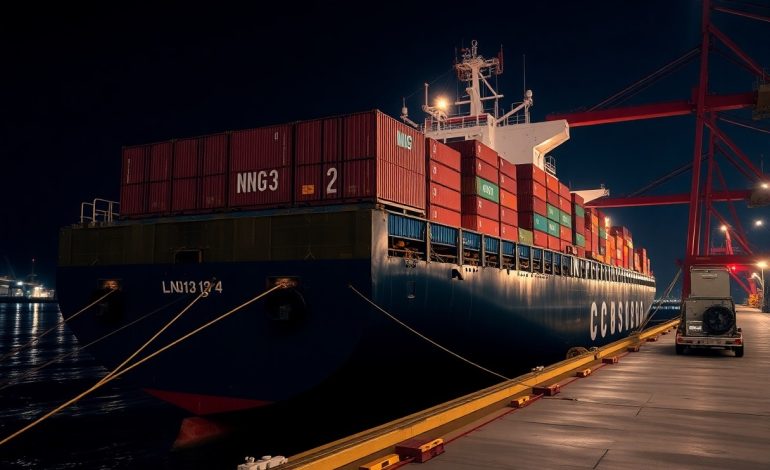
Most of your operations will be affected as alternative marine fuels-LNG, hydrogen, ammonia, and advanced biofuels-reshape routes, engines, and compliance; this guide shows how to adapt. You’ll gain lower emissions, potential operational savings, and access to new markets, while facing new safety risks and accelerating regulatory pressure that demand updated training, retrofits, and supply-chain planning.
Types of Alternative Marine Fuels
| Biofuels | Drop-in fuels (HVO, FAME, advanced biofuels) offering up to ~60-90% lifecycle CO₂ reductions depending on feedstock; used in ferry and ro-ro trials with minimal engine changes. |
| Liquefied Natural Gas (LNG) | Combustion cuts SOx/PM to near zero and NOx by up to ~85%; delivers ~20-25% CO₂ reduction on combustion basis but carries methane slip risk that can negate benefits. |
| Hydrogen | Zero-CO₂ at point of use when green; very low volumetric density requires cryogenic or high-pressure storage and either fuel cells or dedicated engines for power. |
| Ammonia | Can be produced as green ammonia and burned with no CO₂; highly toxic and corrosive, needs specialized tanks, bunkering protocols and NOx control strategies. |
| Methanol | Liquid at ambient conditions, easier bunkering and retrofit paths; can be made from biomass or renewable hydrogen + CO₂ and reduces SOx/PM substantially. |
- Biofuels: immediate retrofit potential, varied lifecycle benefits by feedstock.
- Liquefied Natural Gas (LNG): strong air-pollutant benefits but watch methane slip.
- Hydrogen: zero-carbon pathway if green, but volumetric and cost challenges remain.
- Ammonia: carbon-free fuel candidate with serious toxicity and bunkering implications.
- Methanol: pragmatic transitional fuel with simpler logistics than cryogenic options.
Biofuels
You can deploy biofuels like HVO and advanced drop-in fuels in many existing engines with minimal modification, which makes them one of the fastest ways to cut your vessel’s lifecycle CO₂ intensity. For example, fleet trials using HVO in short-sea ferries and ro-ro vessels showed fuel consumption patterns comparable to marine gasoil while delivering reported lifecycle reductions of up to 60-90% depending on feedstock and allocation method.
Operationally, you should watch feedstock sustainability and price volatility: waste-based HVO from used cooking oil or tallow tends to score best on carbon and land-use metrics, whereas crop-based biofuels raise supply-chain and scalability concerns. Retrofit ease and near-term availability mean biofuels are often used as a bridging strategy while you plan for infrastructure and technical changes needed for gaseous or hydrogen-based fuels.
Liquefied Natural Gas (LNG)
When you evaluate Liquefied Natural Gas (LNG), the immediate benefits include sharply lower SOx and particulate emissions and significant NOx reductions; combustion CO₂ is typically ~20-25% lower than heavy fuel oil. Major operators have ordered LNG dual-fuel ships and ports such as Rotterdam and Singapore now offer expanding bunkering networks, which reduces operational risk on well-served routes.
Nevertheless, you must factor in methane slip: unburned methane released during fuel handling and combustion has a short-term global warming potential roughly ~84× CO₂ on a 20-year basis, so poorly controlled systems can eliminate the climate advantage. Regulatory frameworks (IGF Code) and evolving methane measurement methods are forcing better engine and after-treatment designs to address this.
More technically, LNG requires cryogenic tanks (-162°C), boil-off management systems and gas-handling safety upgrades; bunkering operations can take several hours depending on port infrastructure, and retrofits typically consume significant volume and weight space compared with liquid fuels.
Hydrogen
You’ll find hydrogen attractive because green hydrogen produced by electrolysis using renewables can deliver near-zero lifecycle emissions at point of use; fuel cells convert chemical energy to electricity with high efficiency, making them ideal for short-sea ferries and coastal ships where space permits. Electrolyser efficiencies are commonly in the ~60-70% range today, and current commercial green-hydrogen prices are generally higher than liquid fuels, pending scale-up.
Onboard storage is the major operational constraint: hydrogen’s gravimetric energy is excellent but its volumetric energy is very low, so you’ll need either high-pressure composite tanks, cryogenic liquid hydrogen tanks, or carrier molecules-each adds cost, weight and design complexity. Pilot projects are focused on ferries and harbor vessels where range and refuelling logistics are manageable.
More practically, you must plan safety systems for hydrogen’s high diffusivity and flammability, adopt certified materials to avoid embrittlement, and align with emerging class rules and port regulations for bunkering and emergency response.
Ammonia
If you consider ammonia as a fuel, it offers a compelling carbon-free combustion pathway when synthesised from green hydrogen and nitrogen; several engine manufacturers are developing dual-fuel or ammonia-capable engines and bunkering pilots are under planning in major ports. You should weigh ammonia’s advantage of easier volumetric storage compared with hydrogen against operational hazards.
Safety and toxicity define the operational challenge: ammonia is highly toxic and can cause severe harm if released, so bunkering protocols, leak detection, ventilation and crew training are non-negotiable. Combustion can produce NOx, so you’ll need robust after-treatment to meet air-quality standards, and corrosion-resistant materials are required in fuel systems.
More detailed considerations include ammonia’s storage as a refrigerated liquid at mild temperatures or under pressure, the need for specialized bunkering vessels and terminal design, and the current limited supply chain for green ammonia which will determine the pace of commercial adoption.
After you align route profiles, retrofit windows and bunkering availability with these fuel characteristics, you can create a phased fuel transition plan that balances emissions, safety and commercial risk.
Step-by-Step Transition to Alternative Fuels
| Assessing Current Fleet |
Assessing Current FleetYou start by creating a granular inventory of your vessels: engine type (two‑stroke vs four‑stroke), bunker tank capacity, fuel system layout, age, trading pattern and upcoming drydock or class renewal windows. Target ships with predictable short‑sea routes and upcoming major overhauls first, since conversion windows commonly align with scheduled class renewals 1-3 years ahead. You should run a cost/benefit matrix that factors retrofit capex (commonly in the low millions to mid‑single‑digit tens of millions USD depending on engine size), lost revenue during conversion, and lifecycle OPEX. For example, converting an MR tanker to methanol or dual‑fuel typically falls at the lower end of that range, while ammonia or hydrogen readiness on large VLCCs will usually require new‑build investment or extensive redesign. |
| Fuel Selection Process |
Fuel Selection ProcessYou evaluate fuels by three pillars: lifecycle emissions (well‑to‑wake), supply chain maturity and technical fit with your trading routes. Prioritize fuels that can deliver immediate CO2 reductions where bunkering hubs exist – for instance, methanol and LNG have growing bunkering networks in Rotterdam, Singapore and Fujairah, making short‑sea deployment feasible within 1-3 years. You must weigh operational trade‑offs: methanol and ammonia provide lower combustion CO2 when produced renewably, but ammonia is highly toxic and demands specialized containment and crew procedures, while hydrogen has very low volumetric energy density requiring bulky tanks or cryogenics. Target energy and volume needs: expect to allocate roughly 20-40% more bunker volume for methanol or ammonia compared with HFO for the same range on many ship types. Beyond technical fit, you should secure offtake and bunkering contracts before committing capex; pilot offtake deals for 1-2 ships can de‑risk supply and inform commercial scalability. Case in point: several container operators ordered methanol‑capable 16,000 TEU vessels to align procurement with emerging methanol supply chains and avoid stranded assets. |
| Implementation Strategies |
Implementation StrategiesYou phase implementation: start with pilots and short‑sea retrofits, then scale to long‑haul via newbuilds. Common timelines are 12-24 months for pilot conversions and 3-7 years to convert a sizeable share of a fleet, with full fleet transformation typically targeted over a 10-15 year horizon. Use one or two vessels as learning platforms to refine safety protocols, bunkering procedures and crew training before wider rollout. You also combine technical, commercial and financial measures: negotiate long‑term fuel supply contracts, integrate green financing (sustainability‑linked loans, ECA support), and coordinate with ports for bunkering infrastructure upgrades. For high‑risk fuels like ammonia, include third‑party safety verification and insurance dialogues early to avoid coverage gaps. Operationally, you should lock in a phased capex schedule that aligns retrofits with drydock windows and use standardization across classes where possible to reduce per‑vessel retrofit costs and speed crew familiarization. Pilot wins often reduce unit cost by 10-20% on subsequent conversions through repeatability and supplier learning curves. |
| Monitoring and Evaluation |
Monitoring and EvaluationYou implement a KPI framework that measures fuel consumption (g fuel/ton‑mile), CO2 intensity (g CO2/ton‑mile), methane slip (%) for gas fuels, safety incidents and supply reliability. Install precise fuel flow meters and emissions monitoring systems, and reconcile bunkered volumes versus consumption monthly to detect discrepancies early. You should schedule quarterly operational reviews and annual lifecycle reassessments that re‑benchmark fuel prices, emissions factors and regulatory changes. Engage class societies and independent verifiers (e.g., DNV) for periodic audits to validate emissions reporting and ensure compliance with evolving IMO and regional rules. For real‑time control, deploy digital tools-fuel analytics dashboards, methane sensors and predictive maintenance-to flag deviations in combustion efficiency or unexpected methane slip. These measures let you iteratively optimize engine tuning and bunkering choices, reducing fuel waste and improving safety across the fleet. |
Factors Influencing Fuel Choice
When you evaluate fuel options for a vessel, technical constraints, market signals and compliance obligations compete against one another – you often trade off operational range, retrofit cost and emissions performance. For example, energy density affects bunker volume and range (hydrogen-by-mass is high but by-volume storage is challenging), while operational safety determines crew training and port acceptance; you must balance those with lifecycle GHG figures and expected carbon pricing.
- Environmental Impact
- Regulatory Compliance
- Availability and Infrastructure
- Cost-Effectiveness
- Energy Density
- Operational Safety
The sections below unpack how each factor will affect your fuel-selection decisions in concrete terms.
Environmental Impact
Your choice must be judged on well-to-wake emissions, not just tank-to-wake. For instance, HVO and advanced biofuels can deliver lifecycle CO₂ reductions of roughly 60-90% compared with conventional marine diesel when sustainably sourced; by contrast, LNG typically reduces CO₂ emissions on combustion by about 20-25% but is vulnerable to methane slip, which can erode or cancel climate benefits. Fuel-cell hydrogen pathways can boost propulsion efficiency to ~50-60% vs ~40% for diesel engines, but your net GHG outcome depends entirely on whether that hydrogen is green (electrolysis with renewables) or grey (from steam methane reforming).
You also need to weigh co-pollutants and operational hazards: ammonia emits no CO₂ at point-of-use but carries toxicity and handling risks that require specialized ventilation, leak detection and crew protocols; low-sulphur fuels and biofuels reduce SOx and particulate emissions, helping you meet local air-quality limits in emission control areas (ECAs).
Regulatory Compliance
Regulation now drives fuel economics as much as fuel prices. IMO measures such as the EEXI and the annual CII ratings (implemented from 2023) force you to either improve technical efficiency or adopt lower-carbon fuels to avoid degraded ratings and potential speed or operational constraints. The IMO GHG strategy still targets at least a 50% reduction in GHGs by 2050 versus 2008, and regional policies – notably the EU’s FuelEU Maritime framework – layer in lifecycle carbon-intensity requirements that will change which fuels are commercially viable on trades calling EU ports.
When you switch fuels, expect increased reporting and certification demands: MRV regimes require documented fuel consumption and supplier carbon intensity data, and port state control inspections will scrutinize storage and bunkering safety documentation more closely for alternative fuels.
More detail matters: compliance hinges on validated well-to-wake emissions factors, chain-of-custody evidence for biofuels, and vessel-specific CII forecasting – so your procurement and technical teams must map fuel suppliers to compliance pathways early in contract negotiations.
Availability and Infrastructure
Availability determines whether a theoretically superior fuel is practical for your routes. At present, LNG bunkering is available in over 100 ports, including major hubs such as Singapore, Rotterdam and Fujairah, which makes LNG a feasible option for many deep-sea trades. By contrast, green hydrogen and green ammonia bunkering remain largely at the pilot stage with a handful of demonstration facilities in Northern Europe, Japan and parts of Asia, so you may face routing or refuelling constraints if you choose those fuels today.
Infrastructure also encompasses on-board modifications and shore-side handling: ammonia and hydrogen require segregated storage, inerting systems and explosion-proof equipment; ports will need cryogenic tanks or refrigerated systems for hydrogen/LNG and specific safety zones for ammonia bunkering – all of which affect available port calls and laytime.
More operationally, you should model bunkering logistics: secure long-term supply agreements for scarce fuels, plan for partial fuelling strategies (mixing interim low-carbon fuels with new fuels), and use hub-and-spoke routes where new fuel availability is concentrated to avoid being stranded without compliant bunkers.
Cost-Effectiveness
Ultimately you must quantify total cost of ownership. HVO often trades at 2-4× the price of conventional MGO, while green ammonia and green hydrogen currently carry substantial premiums driven by electrolyser and renewable electricity costs. On the CAPEX side, LNG dual-fuel retrofits can range from several hundred thousand dollars for auxiliary systems to a few million for main-engine conversions, and newbuilds with alternative-fuel-ready designs commonly command a 5-15% newbuild premium; ammonia/hydrogen-ready newbuilds can push that premium higher depending on containment and safety-system complexity.
Your break-even depends on fuel spreads, carbon pricing, and operational profile: short-sea vessels with predictable routes often reach payback faster on battery or hybrid solutions, while long-range vessels may favor drop-in biofuels or ammonia once green supply scales.
More concretely, run sensitivity analyses on fuel price, carbon cost and retrofit amortisation: for example, a medium-range tanker burning ~5,000 t/year of MGO would see operating-cost increases of tens of percent if switching to HVO at current premiums, but the same investment can be offset over time by avoided carbon levies or improved CII ratings in regulated trades. The
Tips for Shipping Companies
You should sequence investments by route economics and vessel suitability: deploy alternative marine fuels first on short sea and feeder trades where bunkering logistics are simpler and fuel consumption per voyage is lower, then scale to deep-sea ships after port infrastructure matures. Use existing case studies-projects in the North Sea and Singapore ports show that pilot retrofits can reduce operational emissions by 10-30% depending on fuel and vessel type, while initial retrofit capex often ranges from approximately $1-6 million per vessel for common conversions.
Allocate decision gates for technical, commercial, and safety sign-offs so you can stop or accelerate at fixed milestones; build models that include lifecycle CO2e, fuel price volatility, and potential regulatory penalties such as tighter IMO targets or inclusion in regional ETS schemes. Assume that you will need multi-year offtakes and port agreements to secure competitive pricing and predictable supply.
- Run staged pilots on representative vessels to collect operational data.
- Negotiate long-term offtake agreements with fuel producers and share bunkering risk with partners.
- Prioritize ports with committed infrastructure investments (storage, pipelines, hydrogen/ammonia bunkering).
- Set aside budget for crew training and safety upgrades before fuel arrival.
- Monitor policy changes from IMO, EU, and major flag states to align commercial strategy.
Conducting Feasibility Studies
You should structure feasibility work around three pillars: technical compatibility, supply-chain availability, and commercial viability. Run engine compatibility checks with OEMs (for example, dual-fuel conversions for LNG or methanol), map port-by-port bunker availability for at least a 5-10 year horizon, and build TCO models that include retrofit CAPEX (often in the low millions per vessel), fuel OPEX scenarios, and sensitivity to carbon pricing.
Use real-world load profiles from your voyage data recorder to simulate fuel consumption and thermal management needs under alternative fuels; incorporate classification society input early to avoid rework and model the impact of EEXI/CII compliance on operating windows and freight rates. Quantify safety and insurance implications-insurance premiums and warranty conditions often change when you swap to high-risk fuels such as ammonia or hydrogen.
Building Partnerships
You should actively pursue collaborative agreements with fuel suppliers, port authorities, engine manufacturers, and financiers to share risk and accelerate infrastructure rollout. Structure commercial terms that include phased capacity take-or-pay clauses, joint investments in onshore storage, and co-funded pilot bunkering facilities in strategic hubs such as Rotterdam, Singapore, or the US Gulf Coast.
Work with classification societies and OEMs to co-develop technical standards and training curricula; that alignment reduces retrofitting delays and warranty disputes. Consider blending insurance protections and performance guarantees into contracts so lenders accept lower perceived project risk and allow you to access green financing or export credit facilities.
For example, several shipping lines have secured multi-year offtake and co-investment deals with producers and port clusters-these arrangements typically lock in price bands and share capex for local storage, which can lower your marginal bunkering cost and accelerate route roll-out.
Training Crew and Staff
You should design a layered training program that separates general awareness, operational procedures, and specialist technical modules: all bridge and engine-room personnel need awareness of fuel properties and emergency response, while select engineers require advanced fuel-handling certification from OEMs or approved training centers. Typical modular programs run between 24-72 hours and combine classroom instruction, simulator drills, and hands-on bunkering exercises.
Integrate fuel-specific safety protocols-for instance, ammonia toxicity procedures, hydrogen flammability handling, and inerting practices-into your SMS and update checklists, PPE lists, and gas-detection requirements accordingly. Coordinate with flag administrations and class to document competencies required for inspections and insurance compliance.
Practical steps include quarterly onboard drills, simulator scenarios for emergency shutdown and leak containment, and OEM-led familiarization every time you change engine or fuel suppliers to keep crew proficiency current.
Staying Informed About Innovations
You should assign responsibility for horizon scanning-either a dedicated innovation manager or a small committee-to track emerging fuels, engine technologies, and policy shifts. Subscribe to technical reports from DNV, Lloyd’s Register, and major OEMs; attend industry conferences (SMM, Posidonia, Gastech) and join pilot consortia so you gain early access to trial results and supplier roadmaps.
Implement a rolling three-year tech trial plan that allows you to test battery-assist systems, fuel conditioning modules, and cold-chain storage options; short-sea battery-hybrid deployments in Norway demonstrate fuel savings of 20-50% on certain routes, offering a template for mixed-fleet strategies. Use an internal data platform to standardize KPIs from trials-fuel consumption, emissions, downtime, and safety incidents-so decisions are evidence-based.
Operationalize innovation by allocating a small but sustained budget (for example, 0.5-1% of annual opex) for trials, and set quarterly review gates to scale successful pilots into fleet-wide deployment.
Pros and Cons of Alternative Marine Fuels
| Pros | Cons |
|---|---|
| Lower lifecycle CO2 potential with biofuels and green e-fuels – deep emissions reductions are possible when feedstock or electricity is renewable. | High up-front CAPEX and a sustained fuel price premium (early green fuels are commonly 2-5× today’s VLSFO cost). |
| Substantial air-quality gains: near-zero SOx and particulate emissions from methanol, ammonia and LNG combustion. | Methane slip from LNG and NOx formation from some combustion routes can partly or fully erase climate benefits. |
| Some options are retrofit-friendly – methanol and certain biofuels can be used in converted engines, enabling near-term deployment. | Other fuels require extensive redesign: hydrogen and ammonia need new storage, safety systems and engine concepts. |
| Liquid fuels (methanol, biofuels) simplify bunkering logistics compared with cryogenic gases. | Hydrogen has very low volumetric energy density; on-deck tankage can consume significant cargo space and reduce range. |
| Adoption helps comply with tightening IMO targets and national decarbonization policies, protecting market access. | Bunkering infrastructure is fragmented – limited port availability creates routing and commercial constraints. |
| New value chains and business models emerge (e-fuel producers, green hydrogen hubs, long-term offtake agreements). | Sustainability of biofeedstocks varies: risks of indirect land-use change and supply-chain emissions can undermine claims. |
| Some operators have proven concepts at sea (retrofits and newbuild pilots), reducing technology risk. | Safety and handling risks differ by fuel: ammonia toxicity, hydrogen flammability, and methanol toxicity require new training and procedures. |
| Policy levers (carbon pricing, mandates, subsidies) can rapidly tilt economics in favor of greener fuels. | Commercial risk remains high: financing, insurance terms, and long-term fuel availability contracts are still immature. |
Advantages
You can achieve meaningful operational and lifecycle gains by choosing the right alternative: biofuels and renewable methanol can deliver 40-90% lifecycle CO2 reductions depending on feedstock and production pathway, while LNG and methanol already eliminate almost all SOx and particulate emissions during combustion, improving port air quality and meeting local regulations. Major operators are moving from trials to scale – conversions and methanol-capable newbuilds show that real-world deployment is technically feasible within existing commercial frameworks.
In addition, some alternatives offer pragmatic transition routes: methanol and certain biofuel blends are liquid at ambient conditions, so you can retrofit many vessels at lower cost and with shorter downtime than for gas or cryogenic systems. This creates an intermediate pathway where you reduce emissions and test supply chains now, while supply and green-hydrogen production scale to support longer-term solutions like ammonia or hydrogen.
Challenges and Drawbacks
You will face a steep set of commercial and logistical hurdles: green hydrogen and e-ammonia production require large volumes of renewable electricity (electrolysis alone needs roughly ~50 kWh per kg of H₂), meaning production capacity and dedicated grid renewables must grow massively to supply shipping at scale. Fuel costs today remain significantly higher than conventional bunker fuels, and retrofit or newbuild capital expenditures can add millions to a vessel’s price, affecting charter rates and return-on-investment timelines.
Operationally, fuel-specific safety and performance issues demand attention – ammonia is toxic and requires rigorous containment and crew training, hydrogen is highly flammable and low in volumetric energy density (reducing range or cargo), and LNG carries the methane-slip risk that can negate its CO2 advantage unless engines and exhaust systems are tightly controlled. Those hazards translate into higher insurance premiums and more complex port acceptance criteria.
Regulatory patchwork and limited bunkering infrastructure compound the problem: you should expect uneven port availability for methanol, ammonia or hydrogen well into the 2020s and 2030s, and that will force route planning, blended-fuel strategies, or expensive fuel hedging. Pilot hubs in Singapore, Rotterdam and some Norwegian ports are progressing, but scaling to global bunker networks requires coordinated investment, standardized safety codes, and the commercial contracts that will give fuel producers and shipowners confidence to commit long-term.
Summing up
The shift to alternative marine fuels will force you to rethink vessel design, supply-chain logistics and regulatory strategies; as ammonia, hydrogen, methanol, biofuels and e-fuels scale up, you will need to invest in new propulsion systems, retrofit pathways and bunkering infrastructure to stay compliant and competitive.
The adoption of these fuels will also reshape commercial dynamics and risk profiles: by lowering lifecycle emissions intensity and diversifying fuel sources, your operations can gain access to low‑carbon cargo markets, reduce exposure to single‑source disruptions and create new partnership opportunities across the energy and maritime value chains.