The Impact of International Regulations on Maritime Emissions

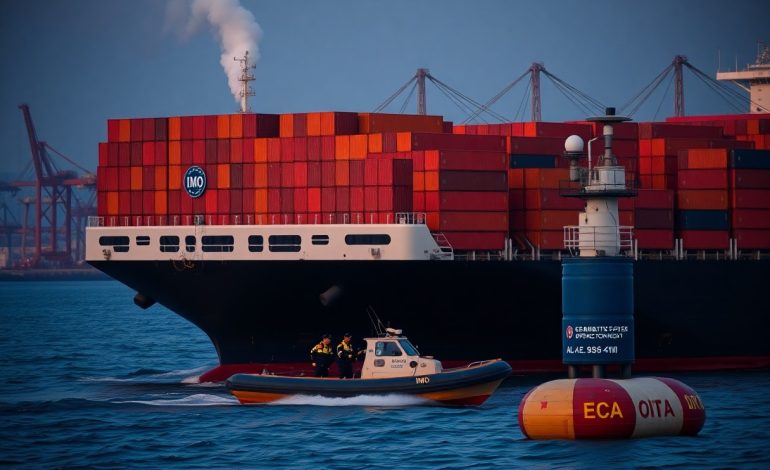
Most new international rules force rapid changes to fuel use, engine standards, and reporting, so you need clear strategies to comply and stay competitive. By adopting low-sulfur fuels, alternative fuels, and emissions monitoring you reduce health and environmental risks, avoid steep penalties, and capture efficiency gains; this guide shows how your operations, crews, and procurement can align with evolving requirements and emerging market opportunities.
Types of International Regulations
You operate within a layered regulatory framework that targets different pollutants, technologies and regions; the most immediate impacts you feel will come from rules on SOx, NOx and energy efficiency. Enforcement is typically national but based on international instruments like MARPOL Annex VI, so your compliance strategy must bridge global caps and local inspections.
Several regimes create overlapping obligations: some force fuel changes, others mandate engine or retrofit standards, and a few set design or operational metrics that affect newbuilds and existing tonnage differently. Emission Control Areas and the Global Sulphur Cap are the practical drivers of short-term fuel and retrofit decisions, while measures like the Energy Efficiency Design Index (EEDI) and Carbon Intensity Indicator (CII) shift investment toward lower-CO2 technologies.
| Emission Control Areas (ECAs) | Designated zones (Baltic Sea, North Sea, North American ECA, US Caribbean Sea) requiring 0.10% m/m fuel SOx limit and stricter NOx controls since mid‑2010s. |
| Global Sulphur Cap (IMO 2020) | Worldwide limit of 0.50% m/m sulphur in fuel from 1 Jan 2020; compliance via low‑sulphur fuels, EGCS (scrubbers), or alternative fuels like LNG. |
| MARPOL Annex VI | Framework for air pollution controls, establishes legal basis for ECAs, global cap, NOx tiers and port state control enforcement. |
| Ballast Water Management | Convention requiring treatment systems for invasive species transfer; operational and retrofit costs affect dry‑dock planning and fuel/space tradeoffs. |
| EEDI / CII | Design and operational measures targeting CO2 intensity: EEDI tightens newbuild targets, CII rates annual operational efficiency for existing ships. |
- Emission Control Areas – regionally tight SOx/NOx rules
- Global Sulphur Cap – universal 0.50% fuel limit
- MARPOL Annex VI – legal backbone and enforcement
- Ballast Water – biological risk mitigation
- EEDI/CII – design and operational CO2 requirements
Emission Control Areas (ECAs)
When you enter an ECA such as the North American or Baltic Sea zones, your fuel must meet the 0.10% m/m sulphur limit or you must use approved abatement like an EGCS; these standards were phased in during the 2010s and remain strictly enforced by port state control. Inspections frequently check fuel logs, bunker delivery notes and scrubber washwater records, and non‑compliance can result in detention and fines plus reputational damage.
Operationally, ECAs force route planning and bunker purchasing changes: you may need segregated fuel systems or dual‑fuel capability to avoid cross‑contamination, and voyage estimates must include the premium for compliant fuels within the zone. Several shipowners reported that ECA rules accelerated early adoption of dual‑fuel and LNG options on shortsea and feeder services where time in ECAs is high.
Global Sulphur Cap
Since 1 January 2020 the Global Sulphur Cap set the maximum fuel sulphur at 0.50% m/m, transforming bunkering markets worldwide and forcing choices between VLSFO, marine gasoil, LNG and scrubber retrofits. You likely saw a sudden widening of spreads between high‑sulphur and compliant fuels during the transition, plus localized availability issues that required contingency bunkering plans and revised fuel compatibility testing.
Compliance choices also created tradeoffs: installing an EGCS (scrubber) allows continued use of high‑sulphur fuel oil but introduces operational constraints such as washwater discharge rules that some ports and jurisdictions restrict, while switching to LNG or VLSFO reduces on‑board handling risks but can raise fuel costs and require changes to supply chains.
Perceiving the combined effects of price spreads, retrofit windows and port restrictions lets you prioritize investments in fuel flexibility, shore power planning and procurement contracts to lower exposure to future tightening.
Factors Affecting Maritime Emissions
The balance between ship design, fuel choice and day-to-day operations determines how much you emit per tonne-mile; small changes compound over long voyages. Vessel size and hull form set a baseline: a well-optimized hull and propeller can lower fuel burn by 10-20% relative to older designs, while energy recovery systems such as waste-heat recovery typically add another 5-15% efficiency gain. At the other end, neglected maintenance and heavy hull fouling can increase fuel consumption by up to 40%, directly raising CO2, SOx and particulate outputs and worsening exposure for crew and coastal communities.
You should track both design metrics and operational metrics because regulatory tools like the EEDI, EEXI and the CII convert those technical and behavioral factors into compliance targets. Practical levers you can use on existing fleets include speed optimization, just-in-time (JIT) arrival, fuel switching, and targeted retrofits that together often deliver faster emissions reductions than waiting for newbuild cycles.
- fuel switching
- slow steaming
- hull optimization
- waste heat recovery
- scrubbers
- LNG and alternative fuels
- just-in-time arrival
- air lubrication
Vessel Design and Technology
You can use design choices to lock in lower emissions over a ship’s 20-30 year life: modern twin-skeg and optimized bulbous bow designs reduce resistance at typical service speeds, and computational fluid dynamics (CFD) has enabled hull-form tweaks that shave fuel burn by several percent. Newbuilds complying with tighter EEDI targets often incorporate hybrid propulsion, large-scale waste-heat recovery and shaft-generator arrangements; for example, Maersk’s Triple-E class achieved roughly a 20% improvement in fuel efficiency per container compared with older vessels of similar capacity.
Fuel system and engine technology choices matter as well. Switching to LNG or low-sulfur distillates reduces SOx and particulate emissions immediately, while dual-fuel engines and the emergence of methanol-capable engines give you pathway flexibility. However, you should weigh trade-offs: scrubbers control SOx for heavy fuel oil but leave CO2 unchanged, and some alternative fuels pose bunkering and lifecycle-emission considerations that can offset onboard gains.
Operational Practices
Speed management remains one of the most effective operational levers-because fuel consumption scales roughly with the cube of speed, a 10% drop in service speed can reduce fuel use by about 27%, cutting CO2 in step. You can further reduce emissions through precise weather routing and voyage optimization software that avoids adverse currents and reduces time spent at higher power. Implementing just-in-time (JIT) arrival programs at ports can eliminate waiting-at-anchor emissions and often trims overall fuel burn by reducing unnecessary steaming.
Maintenance and operational housekeeping deliver predictable gains: scheduled hull cleaning and propeller polishing restore performance losses from fouling, and monitoring engine performance together with continuous lubricating-oil management prevents efficiency drift. In practice, fleets that pair moderate speed reductions with proactive hull maintenance and optimized trim report year-on-year fuel savings in the double digits, improving both regulatory compliance under the CII and operating margins.
Recognizing the interaction between design choices and daily decisions lets you prioritize the most cost-effective interventions and align your fleet strategy with evolving international regulations.
Tips for Compliance with Regulations
You should prioritize upgrading systems that map directly to regulatory frameworks such as the IMO 2020 SOx limit of 0.50% m/m, the 2023 entry into force of EEXI, and the annual CII ratings process; practical steps that reduce fuel consumption by 5-15% per voyage (for example, hull cleaning, propeller polishing, and speed optimization) will both lower emissions and improve your compliance profile. Integrate on-board procedures for fuel changeovers, alternative fuels handling (LNG, methanol, biofuels), and scrubber operation into your Safety Management System so you can present verifiable procedures during port state control inspections.
- Install certified fuel flow meters and shaft power sensors linked to voyage data recorders for accurate reporting to MRV/DCS schemes.
- Adopt verified alternative fuels with documented fuel oil non-availability plans and supplier chain certificates.
- Schedule technical measures (EEDI/retrofits, propulsive improvements) before compliance windows tighten; many retrofits pay back in 2-4 years under current fuel prices.
- Keep digital logs, third‑party verifications, and maintenance records organized for random audits and port state control queries.
Audit your fleet annually against the newest rules (EU ETS phase-in, tightened CII bands, regional port requirements), assign a named compliance owner for each vessel, and run at least one full compliance drill per year to test procedures and reporting chains. Thou ensure every deviation and corrective action is documented in your logbooks and uploaded to the centralized compliance portal.
Monitoring Emissions
You must adopt a layered approach: continuous on-board measurement (CEMS or high-accuracy fuel flow meters) paired with voyage-level verification gives the best defense against discrepancies flagged by the EU MRV or IMO DCS. For example, combining ±1-3% accuracy fuel meters with engine load and GPS speed profiles lets you reconcile reported CO2 with actual fuel burn per voyage and identify anomalies within days rather than months.
Use shore-based analytics to detect trends-spikes in specific engine loads often point to fouled hulls or propeller damage, while unexplained fuel consumption jumps can indicate fuel quality issues or meter drift; third-party verifiers typically expect reconciled datasets for the last 12 months during audits, so automated tamper-evident logs improve your audit outcome and reduce the risk of port state control detention.
Training for Crew Members
You should deliver role-specific training covering fuel management, alternative-fuel safety (IGF Code for LNG), scrubber operation, and the procedural requirements of MRV/DCS submissions; practical competency assessments and simulator drills reduce human error that accounts for a substantial share of reporting faults. Many operators run combined shore-based modules (8-40 hours depending on role) plus on-board supervised competency checks to ensure knowledge translates into correct voyage-level reporting.
Emphasize cross-team drills that link deck, engine, and shore operations so fuel changeovers and report generation happen without gaps-this reduces non-compliance risks and the likelihood of rejected MRV/DCS returns during verification. Include refresher modules whenever a new fuel type is introduced or when regulatory thresholds change.
Maintain a documented training matrix showing dates, syllabi, and assessment results for each crew member, and require certification for task-critical roles (fuel officer, chief engineer) so you can demonstrate to auditors that your workforce is qualified and your operational risk is mitigated.
Pros of International Emission Regulations
When regulations align across flag states and major trading blocs, you get scale effects that make low-emission technologies commercially viable and predictable for long-term investment. Shipping represents roughly 2-3% of global CO2 emissions, so unified rules-like fuel standards, carbon intensity metrics, and market-based measures-shift the entire cost curve of operations and force fleetwide upgrades rather than piecemeal fixes.
Environmental Benefits
Stricter fuel and exhaust rules directly cut the most harmful local and global pollutants: the IMO 2020 rule lowered allowable fuel sulphur from 3.5% to 0.5% m/m, dramatically reducing SOx and particulate matter emissions in coastal and port communities. In designated Sulphur Emission Control Areas (SECA) such as the North Sea and Baltic, the 0.10% limit introduced measurable air-quality improvements and reduced acid deposition, and you see similar localized gains where caps and shore-power mandates are enforced.
On the climate side, binding carbon-intensity targets and efficiency standards push operators toward operational measures-slow steaming, optimized routing, and hull/propeller retrofits-that can cut fuel burn by up to 20-30% in practice. Because these measures are replicable fleetwide, your company can translate regulatory compliance into verifiable emissions reductions that improve a ship’s CII rating and lower lifetime fuel costs.
Economic Incentives for Innovation
By internalizing the cost of emissions through mechanisms such as carbon pricing and mandatory carbon-intensity reporting, regulators create clear ROI cases for alternative fuels, dual-fuel engines, and carbon-saving technologies. The IMO’s initial GHG strategy target of at least a 50% reduction in total shipping GHGs by 2050 (relative to 2008) has already spurred orders for methanol-capable and ammonia-ready vessels from major carriers-e.g., recent large orders from container lines for methanol-capable 16,000+ TEU ships-because you can forecast demand for low-carbon fuel at scale.
Operational rules like the Carbon Intensity Indicator (CII), mandatory annual ship ratings, and regional schemes such as the EU’s inclusion of shipping in its emissions framework force you to factor emissions into commercial competitiveness. That market pressure widens finance options: lenders and lessors increasingly require demonstrable decarbonization pathways before backing newbuilds or refinancing older tonnage, which accelerates fleet renewal toward low- or zero-carbon technologies.
Ports and commercial pilots reinforce those incentives: tiered port dues, green corridors (e.g., pilot routes testing ammonia and hydrogen bunkering), and access to green credit lines mean your investments in batteries, scrubbers, or alternative-fuel capability can be offset by operational discounts and preferential financing-making innovation not just environmentally desirable but economically attractive.
Cons of International Emission Regulations
You encounter a cluster of trade-offs as regulations tighten: while they reduce emissions on paper, they also impose uneven and often heavy economic burdens that ripple through owners, charterers, and shippers. In practice, compliance timelines and technical requirements such as EEXI and annual CII ratings (implemented from 2023) force rapid capital allocation, operational changes, and administrative overhead that many smaller operators struggle to absorb. That mismatch between regulatory ambition and commercial capacity can accelerate scrapping of relatively young tonnage and concentrate market power in larger, better-capitalized companies.
Policy fragmentation amplifies the problem: when regional schemes (for example, the EU ETS inclusion of certain voyages from 2024) run ahead of global measures, you face divergent cost exposures on different trade lanes, complicating commercial planning and contract negotiation. As a result, compliance risk becomes a material business risk you must manage alongside fuel supply, charter rates, and crew logistics.
Compliance Costs
You will often need to choose between expensive hardware retrofits, higher-priced compliant fuels, or operational measures that reduce revenue. Installing exhaust gas cleaning systems (scrubbers) typically costs in the range of $2-5 million per vessel, while LNG or ammonia-ready conversions and newbuild premiums can be significantly higher. When low-sulfur fuel (0.5% S) premiums spike, scrubber payback can be achieved in 2-3 years if fuel spreads exceed roughly $100-$150/tonne, but those spreads are volatile and unpredictable.
Administrative and monitoring obligations add recurring costs as well: mandatory Fuel Oil Non-Availability Reports (FONARs), continuous monitoring systems for CII, additional surveying for EEXI compliance, and extra port paperwork all translate into labour hours, consultancy fees, and potential inspection delays. Those ongoing expenses can erode thin freight margins, especially in bulk and tramp trades where daily revenue variability is high.
Impact on Shipping Industry Competitiveness
You see competitive distortions when compliance costs are borne unevenly across fleets and jurisdictions. Large liner companies and state-backed owners can internalize capital expenditure for low-carbon ships and secure long-term charters, while small-to-mid sized owners often face higher per-tonne compliance costs and reduced access to finance. This dynamic has already contributed to consolidation in some markets and increases your exposure to charter rate volatility if you operate smaller or older vessels.
Regional measures produce route-specific cost differentials that undermine a single global market price for shipping services. For example, inclusion of intra-EU voyages in the EU ETS places additional carbon cost on ships trading in those lanes, meaning you may have to reprice contracts or avoid certain ports to remain competitive. That geographic fragmentation can trigger carbon leakage, flag-hopping, or strategic rerouting-all tactics that shift emissions rather than eliminate them.
Finally, access to capital becomes a competitive bottleneck: lenders and insurers increasingly apply sustainability covenants, which raises your financing costs if your tonnage lacks green credentials. Smaller owners without balance-sheet flexibility can be forced to sell or scrap ships at disadvantageous prices, concentrating capacity with operators who can afford the transition and altering market structure over the medium term.
Step-by-Step Guide to Reducing Emissions
Action Plan Overview
| Step | What you should do / Key metrics |
|---|---|
| 1. Establish baseline | Use IMO DCS, EU MRV or onboard fuel-flow meters to measure fuel consumption, CO2 (gCO2/t‑nm) and NOx/PM; verify with third-party auditors and set a 12‑month baseline (2019 often used as reference). |
| 2. Prioritise measures | Rank by cost, CO2 abatement (tonnes/year) and payback; compare operational (slow steaming, just‑in‑time) vs technical (hull coating, WtE recovery) vs fuel switch (LNG, methanol, biofuel). |
| 3. Pilot and retrofit | Run pilot voyages, install sensors & software, then scale retrofits; track CII rating improvements and adjust SEEMP accordingly. |
| 4. Finance & compliance | Leverage green finance (Poseidon Principle lenders, EU grants), model fuel-price sensitivity, and ensure compliance with incoming regulations (CII, fuel standards). |
Assessing Current Emissions
You should begin by quantifying your vessel-level and fleet-level emissions with high-resolution data: hourly fuel flow, engine load, voyage distance and cargo carried. Use the IMO Data Collection System (DCS) and, if applicable, the EU MRV framework to produce verified fuel and CO2 records; these systems let you calculate operational metrics such as gCO2 per tonne‑mile and the Energy Efficiency Operational Indicator (EEOI).
Install or validate measurement hardware – fuel flow meters, GPS-integrated loggers and NOx sensors – and run at least one full year of data to capture seasonal variability. By doing so you can spot high‑consumption patterns (for example, excessive ballast steaming or prolonged idling at anchorage) and assign emissions to discrete causes; that makes it possible to model abatement potential in tonnes CO2/year with confidence.
Implementing Improvement Strategies
Start with operational changes because they are low‑cost and often yield rapid reductions: slow steaming (reducing speed by 10-20% can cut fuel use by up to 20-40% depending on the engine curve), weather routing, optimal trim and propeller polishing. You should also adopt just‑in‑time arrival and port slot coordination to reduce waiting time at anchorage, which commonly lowers bunker burn by 5-15% on busy trades.
Next, target technical upgrades that match your trade profile: hull and propeller retrofits, air‑lubrication systems, waste heat recovery and hybridisation for auxiliary power can each deliver measurable gains. Consider fuel system modification or engine retrofits if you plan a transition to LNG, methanol or compliant biofuels; be aware that LNG reduces SOx and PM markedly but may introduce methane slip issues that affect net GHG savings.
For implementation you should prepare a prioritized investment plan including expected CO2 abatement (tCO2/yr), capital cost and estimated payback: hull coatings and propeller polishing often pay back in 2-4 years, larger retrofits and fuel conversions typically in the 3-7 year range depending on fuel spreads and utilisation. Seek green financing and government incentives where available, and integrate changes into your SEEMP and CII improvement plan to preserve compliance while you scale measures across the fleet.
To wrap up
Taking this into account, international regulations have fundamentally altered how you operate in the maritime sector by imposing fuel standards, technical requirements, and operational measures such as the IMO sulfur cap, EEXI and CII. These rules force you to adopt cleaner fuels, install emissions-reducing technologies, and improve voyage planning and vessel efficiency; while they increase short-term costs and operational complexity, they also accelerate innovation, create market differentiation for low-emission operators, and establish clearer expectations for investment and compliance.
Going forward, tightening targets and emerging market-based measures mean you must prioritize decarbonization pathways, digital emissions monitoring, and strategic fleet renewal to reduce regulatory exposure. By proactively integrating compliance into your business strategy, engaging with policymakers, and investing in low-carbon solutions, you protect your assets, reduce long-term costs, and position your operations to compete as the industry transitions toward a lower-emission future.