Reducing Water Pollution from Ships Best Practices and Technologies

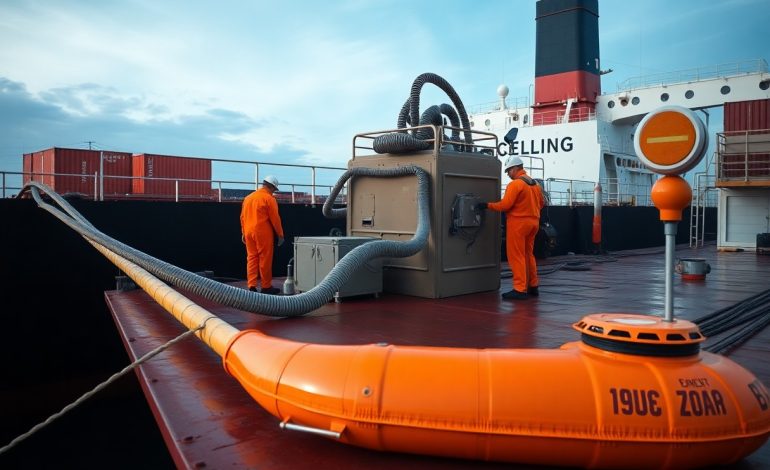
This practical guide helps you reduce water pollution from ships by outlining best practices and technologies to protect your vessel and marine ecosystems. You will learn how to prevent oil spills, manage ballast water to stop invasive species and pathogens, implement advanced wastewater and bilge treatment systems, enforce routine maintenance and crew training, and comply with international regulations to minimize harm. Follow these steps to lower environmental risk and improve your operational performance.
Many ships discharge pollutants that harm marine life and human health. In this guide you’ll learn best practices and technologies-like advanced wastewater treatment, ballast water management, and real-time monitoring-that empower you to reduce risk, cut operational liability, and ensure compliance and cleaner oceans while protecting your crew and reputation.
Types of Water Pollution from Ships
You will find that ship-sourced pollution falls into distinct categories that each demand different prevention and monitoring strategies; oil, solid waste and sewage are the most frequent and the most regulated. You should note operational discharges (bilge, garbage, sewage) often cause chronic, diffuse damage along coasts, while accidental events (bunker spills, container losses) generate acute, high-impact incidents: for example, the 2010 Deepwater Horizon released roughly 4.9 million barrels of oil, demonstrating how a single event can overwhelm response capacity and ecosystems.
Vessel- and equipment-level controls matter because they change routine discharge profiles: oily water separators must achieve ≤15 ppm oil-in-water for legal bilge discharge under MARPOL Annex I, and garbage management plans enforce a complete ban on plastics under MARPOL Annex V. You can use these regulatory thresholds, together with onboard sensors and reporting, to prioritize interventions and reduce both environmental impact and compliance risk.
- Oil pollution
- Solid waste
- Sewage discharge
- Ballast water (invasive species)
- Hazardous cargo leaks
| Oil pollution | Bilge & bunker spills; heavy fuel oil persistence; acute mortality to seabirds and mammals; legal limit 15 ppm for oily discharges. |
| Solid waste | Plastics and lost cargo; ghost fishing gear; microplastics from paint and abrasion; plastics banned everywhere under MARPOL V. |
| Sewage discharge | Pathogens (E. coli, Vibrio), nutrients causing algal blooms and hypoxia; rules: comminuted/disinfected > 3 nm or treated per Annex IV. |
| Ballast water | Transfer of invasive species (e.g., zebra mussels), managed by ballast water management systems with D-2 standard limits for live organisms. |
| Hazardous cargo leaks | Chemical spills, antifouling leachates (historic TBT effects), and residues that pose toxic, chronic risks to food webs. |
Oil Pollution
Operational oil sources include bilge water, sludge and tank cleaning discharges, while accidental sources include collisions and tank ruptures; you should pay particular attention to heavy fuel oil, which is viscous and persistent, smothering intertidal habitats and impairing seabird plumage leading to high mortality. Studies show oil coatings reduce insulation and buoyancy, and oil residues can persist in sediments for years, so you must monitor both surface slicks and shorelines after incidents.
Regulatory and technical controls are well-defined: MARPOL Annex I requires oil-water separators and oil content meters to ensure discharges contain no more than 15 ppm of oil, and you should audit OWS performance regularly because sensor drift and improper bypasses have been implicated in large enforcement cases. Installing double-hull designs, inert gas systems in tankers, and robust bunker transfer procedures reduces your risk of catastrophic release.
Solid Waste Pollution
Plastics are the single most damaging waste category you face at sea: they fragment into microplastics that enter food webs, and lost fishing gear can become ghost gear that continues to entangle wildlife for years. MARPOL Annex V bans all plastic disposal at sea; food waste rules allow discharge only under specified distances and comminution-typically food waste must be comminuted and discharged beyond 3 nautical miles or retained for port reception depending on location.
You can reduce solid-waste risks by segregating garbage, using compactors, and ensuring secure stowage for containerized cargo-container loss events still release massive volumes of debris during severe weather. Implementing a shipboard garbage management plan with clear documentation and training cuts both environmental harm and the fines associated with illegal dumping.
In addition, consider on-board technologies such as advanced shredders, balers and certified incinerators (used where allowed) and a verified chain-of-custody to port reception facilities; catching and documenting waste at the source simplifies compliance and reduces the formation of microplastics from abrasion and degradation over time.
Sewage Discharge
Sewage contains pathogens and high nutrient loads; you should expect large passenger vessels to produce tens to hundreds of cubic meters of sewage daily, which can elevate local bacterial counts and fuel coastal eutrophication if released untreated. MARPOL Annex IV permits discharge of comminuted and disinfected sewage beyond 3 nautical miles (and stricter rules in special areas), so fitting an approved sewage treatment plant (STP) is a key operational control.
Technical choices matter: conventional biological treatment and newer membrane bioreactor (MBR) systems can reduce BOD by more than 90% and fecal indicators by greater than 99%, while UV and chlorination provide disinfection at low residual chemical risk when properly dosed and monitored. You should also maintain sensor calibration and sampling logs to demonstrate treatment efficacy during inspections.
Beyond equipment, your operational practices-like segregating graywater, avoiding discharge in shallow or enclosed waters, and using shore-based reception facilities when available-substantially lower local public health and ecosystem risks and reduce the likelihood of enforcement action.
Assume that you integrate these control measures, monitoring systems and regulatory procedures across your fleet to measurably reduce pollutant loads, improve compliance and lower environmental risk.
Types of Water Pollution from Ships
Several pathways introduce shipborne contaminants into coastal and open-ocean ecosystems, and you need to understand each to prioritize mitigation. Operational discharges like bilge oil and garbage create chronic contamination, while accidental events such as tanker groundings produce acute, high-impact spills – for example, the Exxon Valdez disaster released about 11 million gallons of crude, illustrating how a single incident can devastate fisheries and shorelines. You should also factor in regulatory limits that shape operations: under MARPOL Annex I discharged oil must typically be below 15 ppm and passes through approved separation and monitoring systems.
Beyond oil, biological and chemical vectors have long-term ecosystem effects: ballast water has been linked to the introduction of more than 7,000 non‑native species worldwide, and invasions like the zebra mussel cost North American industries over $1 billion in early impacts. You will find that effective control combines procedural measures, onboard treatment technologies, and port or regional restrictions tailored to the pollutant type.
- Oil Pollution
- Sewage and Wastewater
- Ballast Water
- Garbage and Plastics
- Antifouling / Chemical Discharges
| Pollutant Type | Primary impacts, examples & control measures |
| Oil Pollution | Smothering of wildlife, long-term shoreline contamination; notable case: Exxon Valdez; controls: OWS, oil record books, AIS reporting, double hulls. |
| Sewage & Wastewater | Eutrophication, pathogen spread, harmful algal blooms; controls: MSD, advanced treatment, holding tanks, port reception. |
| Ballast Water | Non‑native species introductions (e.g., zebra mussel); controls: BWMC-compliant treatment (UV, filtration, biocides), ballast exchange. |
| Garbage / Plastics | Entanglement and ingestion by fauna, microplastic formation; controls: source reduction, onboard compactors, port waste reception facilities. |
Oil Pollution
Operational oil pollution is dominated by bilge water and tank washings that, if improperly managed, create persistent slicks and chronic toxicity hotspots near ports and shipping lanes. You must comply with MARPOL Annex I, which mandates oily water separators, alarm systems and an oil record book; even when accidental spills are rare, routine discharges at levels above 15 ppm amplify long‑term ecological harm.
In your planning, factor in both prevention and response: double‑hull designs, improved fuel handling procedures, regular OWS maintenance, and crew training reduce risk, while fast containment and skimming remain the mainstay for accidental releases – lessons reinforced by high‑profile incidents like the Exxon Valdez that changed tanker regulations worldwide.
Sewage and Wastewater Discharge
Sewage from passenger and cargo ships contains pathogens, nutrients and organic load that drive eutrophication and low‑oxygen zones near busy harbors; you should prioritize onboard treatment because many coastal jurisdictions restrict untreated discharge within coastal and sensitive areas. Technologies range from basic MSD units to full biological treatment with UV disinfection, and compliance often means using systems certified to port or flag‑state standards.
Operationally, you will face constraints: some ports ban discharge within defined distances of shore and require holding tanks or reception facilities, and cruise ships in particular are subject to stringent inspections and public scrutiny because a single vessel can affect local water quality. Implementing advanced treatment plus routine monitoring reduces regulatory risk and protects marine resources.
More detail matters when you assess system selection: biological nutrient removal combined with UV or chlorination achieves pathogen reduction and lowers biochemical oxygen demand (BOD), and inspections frequently focus on maintenance logs, sensor calibration, and documented discharge locations to verify that systems function as intended.
Ballast Water Management
Ballast water is a primary vector for invasive species, and you should follow the Ballast Water Management Convention (BWMC) requirements that entered into force in 2017, which force ships to install treatment systems or perform exchange in open ocean conditions. Common technologies you can deploy include filtration, UV irradiation, electrochlorination and biocide dosing, all aimed at meeting performance standards for viable organism counts.
Because ecological and economic impacts can be severe – the spread of organisms like the zebra mussel has caused large‑scale infrastructure fouling and ecosystem change – your compliance program must combine certified equipment, crew procedures for monitoring, and careful recordkeeping to demonstrate adherence to D‑2 standards and port requirements.
More practical considerations for implementation include retrofitting timelines, power and footprint for treatment units, and validating treatment efficacy during ballast uptake and discharge; you should also plan for port state inspections and have contingency procedures if onboard systems fail.
This summary identifies the pollutant categories you should target when designing mitigation and compliance programs.
Best Practices for Reducing Water Pollution
Effective operational controls start with strict adherence to international rules and proven onboard systems: ensure your bilge discharges meet the IMO limit of oil in water below 15 ppm, keep an up-to-date oil record book, and verify that any Ballast Water Treatment System (BWTS) installed is IMO-approved and functioning-many certified BWTS achieve >99.9% removal of organisms >50 µm. You should also adopt voyage planning that avoids sensitive habitats, use designated sea lanes to reduce collision-related spills, and enforce zero-tolerance policies on illegal discharge; port state inspections now routinely check records and equipment, and non-compliance often results in detention or significant fines.
Operational discipline extends to crew training, documented procedures and continuous monitoring: implement routine sensor checks for bilge separators and alarms, schedule maintenance based on hours or operating cycles rather than calendar alone, and run monthly simulated spill response drills to keep response times under control. When you combine technical controls with behavior-focused measures-clear SOPs, incentive structures for correct waste handling, and regular audits-you reduce the most common causes of ship-sourced pollution: human error, equipment failure, and poor planning.
Waste Management Strategies
Segregation at source is non-negotiable: separate plastics, food waste, oily residues, and hazardous materials into clearly labeled containers and log transfers in the garbage record book required under MARPOL Annex V, which expressly bans discharge of plastics anywhere at sea. Use onboard compactors for dry waste, enclosed holding tanks for oily slops, and approved sludge separators to attain compliant oil-in-water concentrations before any legal discharge; when port reception facilities are available, transfer waste ashore promptly to avoid accumulation and illegal overboard disposal.
Practical measures that lower risk and costs include installing vacuum toilet systems and advanced blackwater treatment units that reduce effluent volume and biochemical oxygen demand before any permitted release; additionally, pre-booking port waste reception and using digital manifests can cut turnaround times and administrative friction. You should also audit waste generation rates by voyage and cargo type-simple tracking often identifies a few high-volume sources (mess rooms, oily machinery spaces) where targeted changes can reduce shipboard waste by 20-40% on many vessels.
Eco-friendly Cleaning Agents
Switching to biodegradable, low-phosphate, enzyme-based cleaning agents dramatically lowers the toxicity and persistence of graywater and deck runoff; choose products certified by recognized schemes such as the EU Ecolabel or US EPA Safer Choice, and verify biodegradability through OECD test compliance. Apply cleaning agents in controlled areas with drip trays and closed-loop collection so rinsewater can be routed to onboard treatment systems rather than overboard-this reduces nutrient loads and surfactant toxicity that drive local eutrophication and harm sensitive coastal zones.
Adopt product-specific dosing and contact times to maximize performance while minimizing chemical use: enzymatic degreasers typically work effectively at low concentrations and moderate temperatures, breaking hydrocarbons into biologically assimilable components that your wastewater treatment can remove more efficiently. You should also avoid harsh solvents and halogenated compounds which persist in the environment and can bioaccumulate; switching to bio-based surfactants frequently cuts ecotoxicity indicators by a large margin while maintaining cleaning efficacy.
For implementation, run side-by-side trials on deck and in machinery spaces to confirm corrosion compatibility and treatment-plant throughput-many vessels report lower downstream maintenance and reduced BOD/COD loads after the switch. Train crew on correct dilution ratios (typical enzymatic cleaner dosing ranges from 0.5-2% by volume depending on application), store MSDS on board, and coordinate with your shoreside waste handlers to ensure collected rinsewater is processed or disposed of according to local regulations.
Best Practices for Reducing Water Pollution
You should embed pollution control into everyday operations by setting measurable targets, assigning responsibilities, and using onboard technology to enforce limits. For example, require continuous monitoring of bilge effluent with an oil content monitor (OCM) set to the MARPOL limit of <15 ppm, keep electronic logbooks for all discharges and waste transfers, and mandate use of port reception facilities when capacity onboard is insufficient; these steps cut ambiguity and make compliance auditable during port state control visits. Implementing a clear chain-of-custody for waste and pushing quarterly KPIs-such as zero illegal discharges and 100% OCM uptime-lets you quantify improvements and justify investments in treatment upgrades.
Operationally, combine policy with economy: retrofit priority systems first where they reduce both pollution risk and fuel or handling costs (for instance, installing a modern wastewater treatment unit can lower sludge disposal frequency and shore reception fees). You should also use voyage planning to minimize ballast exchange in sensitive areas, coordinate with ports to use reception facilities when available, and adopt supplier contracts that require proper disposal documentation; doing so reduces the chance of inadvertent or illegal discharge and demonstrates due diligence to regulators and charterers.
Waste Management Protocols
You must segregate waste streams rigorously-oily bilge, sludge, sewage, graywater, and garbage-so treatment and disposal methods are matched to pollutant type. For oily wastes, maintain an operational oily water separator (OWS) with functioning OCM and automatic stop on exceedance, keep a minimum holding capacity to avoid bypassing treatment when berthing delays occur, and use shore reception facilities for sludges and waste oils when OWS retention approaches capacity. For garbage, follow MARPOL Annex V: prohibit disposals of plastics and maintain a Garbage Record Book with clear evidence of transfer to shore facilities.
In the context of sewage and graywater, fit and maintain treatment systems (MBRs or advanced biological units) that achieve high removal of BOD and suspended solids-many modern MBRs remove >90%-99% of contaminants-so you can meet both international and stricter local rules. Audit contracted waste handlers and require waste manifesting from the port facility; a documented chain of custody prevents illegal dumping and protects you from fines and reputational damage.
Regular Maintenance and Inspections
Routine upkeep of pollution-control systems prevents most discharges: you should incorporate OWS, OCM, bilge pumps, BWTS reactors, scrubber piping and sewage ATUs into the shipboard Planned Maintenance System (PMS) with clear frequencies and acceptance tests. Calibrate sensors at manufacturer-recommended intervals (typically every 3-12 months), perform an operational test of OWS and OCM monthly, and log all maintenance and tests in a single searchable record to simplify PSC or vetting inspections. Failure to maintain equipment is a common inspection deficiency and often leads to non-compliance even when policy and training are adequate.
Beyond scheduled tasks, adopt condition-based checks: record hours, vibration, and pressure trends so you can replace seals, cartridges and membranes before they fail and produce polluting leaks. You should also run post-repair functional tests and sample effluent after major maintenance or system upgrades to verify performance against limits-this protects you from accidental exceedances and demonstrates proactive management to auditors and charterers.
For practical implementation, use a short checklist: weekly visual inspections of separators, monthly operational discharge tests, quarterly calibration of OCMs, and an annual class survey for all pollution-control systems; if an OCM reads above 15 ppm, stop discharge immediately, retain the effluent, log the event, and perform a root-cause analysis before any further discharges.
Technologies for Mitigating Water Pollution
Modern shipboard technologies are most effective when paired with the operational controls you already use; combining engineered systems with procedural checks reduces pollutant loads far more than either approach alone. Since the IMO Ballast Water Management Convention entered into force in 2017, equipment selection and retrofit planning have become part of compliance strategies, and you should budget for $1-3 million per retrofit on medium-to-large vessels depending on space and power constraints. Targeted investments deliver measurable results: treating ballast, bilge, and tank washings at source typically cuts invasive species transfer and hydrocarbon discharges by an order of magnitude compared with untreated discharges.
Deploying the right mix of filtration, disinfection and monitoring technologies lets you meet regulatory limits and reduce operational risk. For example, oil discharge limits under MARPOL Annex I are set at 15 ppm oil-in-water for most machinery space discharges, and modern detection and shut-off systems make adherence more reliable; similarly, ballast systems designed to meet the IMO D-2 performance standard are now widely available and validated in independent trials. Prioritize systems with proven field performance, spare-part supply chains, and simple integration into your ship’s automation to minimize downtime and crew workload.
Ballast Water Treatment Systems
Filtration plus disinfection is the prevailing approach: you commonly see mechanical screens (down to 50-100 µm) followed by UV, electrochlorination, or advanced oxidation to achieve the IMO D-2 performance standard. Systems combining multi-stage filtration and high-dose UV are frequently used on container ships and tankers because they provide broad-spectrum control of plankton, bacteria and cysts; field trials report >99% reduction in viable organisms for particles >50 µm when operated correctly.
You must consider power, footprint and operational compatibility when selecting a BWTS: UV units demand stable flow and clarity, electrochlorination requires chemical management and effluent neutralization, while deoxygenation needs sealed lines and gas-handling capacity. Integration into your ballast water management plan and regular on-board performance testing (including occasional compliance testing by accredited labs) is vital to demonstrate that treated discharges meet the D-2 limits in port-state inspections.
Oil Water Separators
Oil Water Separators (OWS) are your primary defense against oily bilge discharges and are required under MARPOL Annex I; the statutory discharge threshold is 15 ppm oil-in-water for most machinery space effluent, and you must record all transfers in the oil record book. Typical arrangements include a settling section, coalescer elements, and an oil content monitor (OCM) that triggers automatic diversion to sludge tanks if readings exceed the set limit, preventing illegal or accidental overboard pollution.
Design variations range from simple gravity separators on small vessels to multi-stage coalescing or centrifuge-based systems on larger ships; coalescers and centrifuges can routinely produce discharges well below the statutory limit, often achieving <5 ppm when maintained and operated correctly. Maintenance lapses-clogged coalescer cartridges, fouled sensors, or bypassed alarms-are the most common causes of exceedances, and inspection records show that routine oil-sampling and OCM calibration reduce non-compliance incidents significantly.
To keep your OWS effective, schedule periodic sensor calibration, element replacement, and sludge removal based on actual bilge load rather than calendar intervals; remote monitoring and automatic logging help you demonstrate compliance during port state control inspections and reduce the risk of severe penalties. Training your crew on proper segregation, controlled bilge pumping, and immediate reporting of OCM alarms will preserve separator performance and avoid costly enforcement actions.
Technologies for Pollution Reduction
You can leverage a mix of mechanical, chemical and biological systems to meet regulatory limits and cut pollutant loads at source; the right combination depends on ship type, trade route and onboard space. Modern solutions focus on measurable removal rates (for example, oil down to below 15 ppm and pathogen reductions often exceeding 99%), integrated monitoring, and fail-safe interlocks that prevent unlawful bypasses.
Oil-Water Separators
Gravity coalescers, centrifugal separators and membrane systems are the primary OWS designs you will encounter. Systems are typically type-approved to meet IMO/MARPOL discharge criteria, and many units combine stages: coarse separation, coalescing plates or media, and a final polishing stage often monitored by an oil content monitor (OCM) that trips pumps if oil content exceeds limits.
When you operate an OWS, focus on pre-treatment and routine maintenance: emulsified bilge mixtures, detergents from cleaning operations and cold heavy fuel oil increase carryover risk and can drop separator efficiency below 95% if not treated. Regular sampling, OCM calibration, sludge removal and using demulsifiers or heating to lower viscosity are proven practices that sustain performance and keep you compliant.
Advanced Waste Treatment Systems
Membrane bioreactors (MBR), advanced oxidation (AOP), UV disinfection and ozonation offer much higher treatment performance than basic biological tanks. You will find MBRs reducing BOD and TSS to single-digit mg/L levels under stable loading, while UV and AOPs inactivate bacteria and viruses without adding persistent chemicals to the effluent.
Integration is common: a mechanical pre-filter (10-50 µm) protects membranes, biological units convert organics and nitrification/denitrification trains reduce nitrogen to low mg/L concentrations, and polishing UV/ozone ensures pathogen control. Energy use typically ranges from about 0.5-2 kWh/m³ depending on process complexity, so you should balance treatment targets against onboard power availability.
- MBR systems: compact footprint, high solids retention, produces clear effluent suitable for discharge or reuse
- UV + AOP: excellent pathogen control, minimal residuals, performance sensitive to turbidity
- Ozonation: strong oxidation of organics and odors, forms byproducts that require management
Advanced Waste Treatment: Technology vs Benefit
| Technology | Benefit / Note |
|---|---|
| MBR | Effluent BOD/TSS <10 mg/L, compact, higher capital cost |
| UV / AOP | Pathogen inactivation >99.9%, no persistent disinfectant residual |
| Ozone | Oxidizes organics and odors; requires off-gas/scavenging to control byproducts |
Operationally, you must plan for spare membranes, lamp or generator replacement schedules, and routine validation sampling; failing to do so is a common cause of non-compliance. Manufacturers such as Alfa Laval, Veolia and Sembcorp publish retrofit guides and case studies where ships reduced port holdbacks and sludge volumes by over 50% after AWT installation, illustrating both performance gains and lifecycle cost trade-offs.
- Inspection priorities: membrane integrity, UV transmittance, oxidant residuals
- Cost drivers: consumables (membranes, lamps), energy, chemical dosing
- Compliance steps: type approval, commissioning tests, periodic performance verification
AWT Operational Checklist
| Item | Typical Target / Action |
|---|---|
| Effluent quality | BOD/TSS <10 mg/L where required; pathogen logs maintained |
| Energy | Monitor kWh/m³; optimize aeration and dosing to reduce load |
| Spare parts | Maintain critical spares for membranes, lamps, pumps |
Ballast Water Treatment Technologies
Filtration combined with UV, electrochlorination or chemical dosing are the mainstream BWMS solutions you will specify to meet the IMO D-2 standard; many systems use a two-stage approach (mechanical filtration down to ~10-50 µm followed by disinfection). Filtration removes macro-organisms and particulates that shield smaller organisms from the disinfectant, and UV reactors sized for the vessel’s flow rate typically achieve high log reductions of microbes when properly maintained.
Chemical systems (electrochlorination or chemical biocides) generate a residual that decays during voyage and must be managed to avoid discharging harmful residues in port waters; conversely, non-chemical options like UV or deoxygenation avoid persistent residuals but are sensitive to turbidity and flow variations. You should select a BWMS that is type-approved and validated for your water salinity and temperature profile-performance can drop dramatically outside validated conditions.
Operationally, ensure routine backwashing of filters, sensor calibration and record-keeping in the ballast water record book and electronic log; ports and flag states increasingly require on-demand compliance testing, and failure to maintain a functional BWMS can lead to detentions or fines. Hybrid systems that combine filtration + UV or filtration + electrochlorination are common on larger ships because they provide redundancy and consistent compliance across variable water qualities.
Tips for Implementation
To move from policy to practice, set clear, time-bound targets for emissions and discharges and assign accountability at the vessel and fleet levels; for example, require monthly reporting on bilge water incidents and quarterly reviews of ballast water records so you can track trends and corrective actions. Establish procurement specs that require Type-approved systems (e.g., ballast water treatment systems and sewage treatment plants), and embed maintenance and training KPIs into charter party and vendor contracts to ensure compliance throughout the supply chain.
Adopt a layered approach that combines technology, procedures, and monitoring: maintain an automated log of oil content readings (set alarms at or below the regulatory limit of 15 ppm), mandate scheduled hull cleaning outside sensitive areas, and require pre-transfer checklists for bunkering and lube oil handling. Use the following practical steps onboard and ashore to standardize execution:
- Ballast water management – implement approved BWTS, document exchanges beyond 200 nm or approved uptake/discharge, and retain treatment records for at least three years.
- Bilge water and OWS – calibrate Oil Content Meters monthly, perform routine OWS function tests, and preserve sample bottles for 6 months where required for audits.
- Sewage and greywater – install IMO Type-approved systems, map discharge zones in your passage plan, and log treatment cycles daily.
- Fuel and oil handling – use drip trays, closed transfer lines, and written procedures for topping off and tank cleaning; require two-person verification for transfers over 500 L.
- Monitoring and reporting – deploy automated sensors tied to a centralized dashboard, set KPIs (e.g., zero non-compliant discharges per quarter), and perform quarterly internal audits.
- Crew training – integrate scenario-based drills into the routine (see next subsection) and require documented competence for anyone handling oily wastes or ballast water operations.
Crew Training and Awareness
You should run structured onboarding and recurrent training that aligns with operational roles: give deck officers ballast water operation and recordkeeping modules, credential engineers on OWS and separator maintenance, and provide ratings with practical handling and spill containment exercises. Schedule tabletop exercises monthly and full-scale spills or discharge-response drills at least every six months to test decision-making under pressure; frequent drills shorten response times and reduce procedural lapses.
Deliver mixed-format training – classroom, simulator, and supervised onboard practice – and assess competence with documented checklists and observed task performance. Use accredited e-learning for regulatory refreshers and maintain a training matrix that records course completion dates, practical assessment outcomes, and required refresher intervals so you can show compliance during Port State Control inspections.
Regular Maintenance Checks
Implement a preventive-maintenance calendar that defines daily, weekly, monthly, and annual routines: daily bilge rounds with signed stickers, weekly visual inspections of seals and hoses, monthly calibration of Oil Content Meters (OCM), and annual overhauls for pumps and separators. Keep spare parts inventory on board for critical items (pumps, mechanical seals, OCM sensors, coalescer elements) sized to cover at least 30 days of operations away from port.
Use a computerized maintenance management system (CMMS) to schedule tasks, record completed work, and trigger alerts for upcoming calibrations or certificate expiries; tag high-risk components so they require two-person verification after maintenance. Maintain detailed log entries for each maintenance action-date, personnel, serial numbers of replaced parts, calibration certificates-so you have a defensible audit trail for PSC or company audits.
For immediate operational impact, standardize a weekly bilge round checklist that includes pump run-times, separator effluent sample, OCM zeroing verification, and a cross-check of alarm histories; if any parameter deviates, require stop-work and escalation to the chief engineer until cleared by written acceptance.
Recognizing that sustained reductions in ship-sourced water pollution require synchronized investment in technology, disciplined maintenance, and continuous crew competency.
Tips for Implementing Best Practices
When you translate policy into routine operations, prioritize measures that deliver clear reductions in water pollution risk while fitting existing workflows. Define measurable targets (for example, a 50% cut in unauthorized bilge discharges or zero illegal garbage disposals within 12 months), assign named owners under your ISM safety management system, and require month‑by‑month reporting. Use short pilots-one route or vessel class at a time-to compare outcomes, and baseline performance with sensors (OCMs, flow meters, ballast sensors) so you can verify change with data rather than anecdote.
- Scheduled maintenance and pre‑departure checklists to prevent leaks and equipment failure
- Waste segregation and onboard compacting to reduce port reception needs
- Automated alarms and remote monitoring for oil and wastewater systems
- Clear recordkeeping: oil record book, sewage log, and electronic logs tied to GPS
- Pilot testing of new technologies before fleetwide roll‑out
Integrate audits and short corrective action cycles-quarterly internal audits plus annual third‑party verification-to keep momentum and ensure your procedures match what the crew actually does. After you run a documented pilot with verifiable metrics, scale the effective controls fleetwide.
Crew Training and Awareness
You must make practical, repeatable training the backbone of any policy. Provide role‑specific modules on bilge management, sewage handling, and ballast water procedures, and require hands‑on familiarization with devices like OCMs and ballast treatment units; practical drills should be scheduled at least quarterly and supplemented with short weekly toolbox talks. Use visual aids, onboard SOP cards, and post‑incident debriefs so the crew can apply procedures under time pressure.
Link training outcomes to measurable behavior: track drill completion rates, error reports, and near‑misses, and use those metrics in reviews with crews and shore management. If you combine simulator sessions for ballast pump operations with on‑board drills for sewage system failures, you reduce response time and error rates; make sure your training records map directly to certification and your Safety Management System.
Compliance with Regulations
Operate to the standards set by MARPOL Annexes I-VI and the Ballast Water Management Convention (entered into force in 2017), and ensure your manuals explicitly reference the applicable annex for each discharge stream. Maintain an up‑to‑date oil record book, sewage log, and ballast water record book, and have calibration certificates for OCMs and treatment systems readily available during Port State Control inspections.
Adopt electronic recordkeeping linked to sensor outputs so that you can demonstrate continuous compliance rather than isolated entries; many administrations and port authorities now favor verifiable electronic logs during inspections. Engage a competent third‑party for annual compliance audits to identify gaps before a flag or port state inspector does.
Strengthen your compliance posture by updating contingency plans, stocking critical spare parts for treatment systems, and scheduling preventive maintenance aligned with manufacturer intervals; keep training records and audit trails accessible so you can demonstrate that your compliance program is active and effective.
Step-by-Step Guide to Implementation
Implementation Steps and Key Actions
| Step | Action / Details |
| Assessing Current Practices | Conduct a baseline compliance audit within 30 days, sample bilge, graywater and ballast streams, review the Oil Record Book and ballast water logs, and verify OWS and OCM functionality against MARPOL Annex I (15 ppm) and the BWM Convention. Implement monthly routine sampling and event-driven tests after heavy weather. |
| Developing an Action Plan | Set SMART targets (e.g., 0 illegal discharges, ≥95% samples <15 ppm), prioritize retrofits (OWS, BWMS, sewage treatment), schedule crew training, and define KPIs and timelines: pilot 3-6 months, fleetwide 12-24 months. Allocate budget lines and shore reception arrangements. |
Assessing Current Practices
You should start with a structured audit that combines document review and physical inspection: verify Oil Record Book entries, inspect oil separators, check maintenance logs and the calibration records for Oil Content Monitors, and confirm certified Ballast Water Management Systems are installed where required. Plan an initial baseline sampling campaign within 30 days and then regular sampling monthly or after any heavy-weather or fuel-transfer event to detect intermittent discharges.
Next, quantify risk and performance with measurable indicators: percentage of samples below the MARPOL limit of 15 ppm, number of corrective maintenance actions per month, and frequency of non-compliant Oil Record Book entries. Use third‑party labs for traceable oil-in-water analysis and cross-check AIS tracks against log entries to identify discrepancies that may indicate improper discharge or recordkeeping.
Developing an Action Plan
Begin by setting clear targets and timelines: require ≥95% of routine samples under 15 ppm within 12 months, pilot retrofit of advanced OWS or electrocoagulation on two high-risk vessels within 3-6 months, and fleetwide implementation in 12-24 months. Budget realistically-OWS retrofits commonly range from $100,000-$500,000 per vessel depending on size and integration complexity-and include annual OCM calibration and preventive maintenance in operating costs.
Assign responsibilities (shipboard superintendent, fleet compliance officer), define KPIs (samples under limit, number of PSC detentions, training completion rates), and incorporate technology: continuous monitoring with remote data logging, automatic bilge alarms, and digital Oil Record Books to speed audits and provide audit trails for port state control. Prioritize vessels operating in sensitive areas or those with prior incidents.
For practical rollout, create a checklist: identify top 10 highest‑risk vessels, schedule pilot installations, establish a training calendar (initial training within 60 days, annual refreshers), secure shore reception agreements at regular ports, and set an escalation process for any sample exceeding limits or OCM alarms-since non‑compliance can lead to fines, detention, and severe reputational damage.
Step-by-Step Guide to Pollution Management
Pollution Management Steps
| Step | Action / Details |
|---|---|
| Assessment of Current Practices | Onboard audits, review of OWS/OCM logs, oil record book, sewage and garbage records; targeted sampling of bilge, greywater and deck runoff; identify hotspots (engine room, slop tanks, deck scuppers). |
| Monitoring & Sampling | Establish sampling frequency (e.g., weekly operational samples, monthly compliance checks), validate OCM calibration against lab results, maintain chain-of-custody for evidence. |
| Risk Prioritization | Rank risks by environmental impact and regulatory exposure (e.g., oil >15 ppm discharges first), assign corrective timelines and budget tiers. |
| Mitigation Measures & Technology | Retrofit or upgrade OWS, install IMO-compliant ballast water treatment, upgrade sewage treatment plants, use closed-loop tank cleaning; consider onshore reception agreements. |
| Training & Procedures | Update SOPs, implement hands-on drills for bilge management, require training completion and competence checks for crew handling pollution equipment. |
| Recordkeeping & Reporting | Digitize logs, implement automated alarms for exceedances, schedule internal audits and management reviews; maintain records for port state inspections. |
| Continuous Improvement | Set KPIs (e.g., zero illegal discharges, <15 ppm oil content), track corrective actions, and plan periodic technology upgrades based on performance data. |
Assessment of Current Practices
Begin by conducting a focused onboard audit that combines document review with physical inspections and targeted sampling; check the oil record book and OWS/OCM calibration records for the past 12 months, take representative bilge and greywater samples during normal operations, and compare OWS discharge readings to the industry standard of <15 ppm oil content. You should also inspect valve arrangements, slop tank venting, tank cleaning procedures and sewage handling to identify single points of failure that commonly lead to non-compliance.
Next, translate findings into a mapped risk profile: mark problem areas (for example, recurring high OCM readings near a specific separator), quantify frequency of non-conformities and potential regulatory exposure such as fines or detention risk, and set measurable short-term goals like reducing detectable exceedances by 50% within 12 months. Use this baseline to prioritize interventions and to determine where investments in technology versus process change will yield the fastest improvement.
Development of Improvement Plan
Translate assessment outcomes into a prioritized improvement plan that assigns responsibilities, timelines and budgets; immediate actions (within 30 days) should address obvious compliance failures such as faulty OCMs or leaky bilge valves, short-term projects (3-12 months) can include OWS upgrades and SOP revisions, and medium-term investments (12-36 months) should cover ballast water treatment and sewage plant retrofits. Include measurable targets-such as maintaining discharge oil content at <15 ppm, completing crew training to 100% within 90 days, and reducing audit non-conformities by a defined percentage-to track progress.
Make the plan operational by specifying procurement steps, vendor selection criteria (type-approval, in-service support), and testing protocols: require factory acceptance tests for new equipment, on-board commissioning checks with third-party sampling, and an OCM calibration schedule (for example, functional checks monthly and full calibration biannually). Also incorporate shore-side arrangements such as guaranteed reception facilities and contingency funds for emergency disposals to avoid illegal discharges under operational pressure.
For practical sequencing, prioritize actions that remove immediate legal and environmental risk: fix containment leaks and faulty instrumentation first, then implement procedural changes and crew training, and finally proceed with capital retrofits; track success with KPIs like number of exceedances, ppm readings logged, training completion rate and audit scores, and review progress quarterly to reallocate resources where performance shows persistent risk or clear opportunity for improvement.
Factors Influencing Water Pollution
Several interconnected variables shape how much pollutant load your vessel discharges: ship size, type, cargo carried, maintenance practices, and the regulatory environment on the routes you sail. For example, ships with large ballast capacities can exchange or treat tens of thousands of cubic meters of ballast water, creating a major pathway for invasive species unless you install an approved treatment system that typically removes >99% of organisms above regulated size thresholds. Meanwhile, bilge oil separated to 15 ppm is the international discharge standard under MARPOL, so your OWS (oily water separator) performance is a direct determinant of oil pollution risk.
- Ship size
- Ship type
- Ballast water
- Bilge oil
- Sewage and greywater
- Biofouling & antifouling
- Route & operations
Coastal density, port reception capacity, and enforcement intensity also play large roles: in busy straits and estuaries your releases concentrate and escalate ecological impacts, while stringent regional regimes (for example HELCOM in the Baltic) can drive better on-board systems and lower discharge rates. Shipboard behavior matters too-improper tank cleaning, illegal overboard disposals, and delayed maintenance amplify risks and lead to detectable spikes in contaminants near ports and coastal communities.
Ship Size and Type
Your vessel’s class defines both the potential pollutant volume and the types of contaminants you must manage. Ultra-large container vessels (ULCVs) exceeding 20,000 TEU produce massive amounts of lubricating oil, graywater, and garbage simply due to scale, while tankers concentrate the highest risk for catastrophic oil spills because they carry petroleum cargoes in bulk. Smaller fishing boats and offshore service craft, however, contribute disproportionately to plastic debris and lost gear-so called ghost fishing-that can persist for years.
Operational systems differ by type: tankers and bulk carriers often manage large ballast volumes (tens of thousands of cubic meters), requiring robust ballast water management systems, whereas cruise ships generate significant volumes of sewage and greywater-you should plan for onboard treatment or guaranteed port reception. Implementation examples show that installing an IMO-approved ballast water treatment unit can prevent the introduction of non-native species while meeting D‑2 standards, and that reliable OWS maintenance keeps discharges within the 15 ppm regulatory limit.
Route and Operations
Where you sail and how you operate directly change exposure and impact: transits through shallow coastal waters, marine protected areas, and busy port approaches concentrate ecological risk and detection by authorities, while open-ocean routes dilute discharges but still spread contaminants over broader areas. Voyage planning that minimizes time in sensitive zones and uses designated shipping lanes reduces the chance of grounding and localized contamination; traffic separation schemes, for example, focus management efforts where they are most effective.
Operational choices-speed, ballast exchange timing, tank cleaning procedures, and hull maintenance-also matter. Slow steaming reduces fuel consumption and can lower the volume of contaminated bilge produced per voyage, while planned dry-docking and regular hull cleaning reduce biofouling that otherwise increases drag and promotes invasive species transfer. Port reception availability affects whether you can offload slops and garbage legally, reflecting the need to coordinate with terminals that meet MARPOL reception standards.
Data from regional initiatives show that rerouting and seasonal operational restrictions have cut localized impacts in numerous cases, and you can adopt those lessons: schedule ballast operations well offshore, use approved treatment technologies, and maintain waste segregation to maximize port uptake and minimize illegal discharges. Any operational change you make-whether adding a high-efficiency OWS, upgrading ballast treatment to >99% organism removal, or committing to regular hull cleaning that improves fuel efficiency by 10-15%-will measurably lower your vessel’s contribution to water pollution.
Factors to Consider in Choosing Technologies
When deciding on technology for pollution control you must evaluate operational constraints alongside performance: systems vary in footprint, power draw, maintenance intervals, and capital cost. For example, a ballast water treatment system sized for a 50,000 m3 ballast capacity vessel typically costs in the range of $200,000-$1,000,000 and may demand significant electrical power and pipework changes, whereas a compact oil-water separator for bilge treatment can cost $5,000-$40,000 and be fitted into existing bilge spaces with modest modification. Consider lifecycle costs (consumables, spare parts, and downtime for servicing), demonstrated removal efficiencies against the IMO D-2 standard or local limits, and whether the system has been type-approved by authoritative bodies such as the USCG or IMO G8/G9 test protocols.
- Ship size and type – impacts physical space and flow rates required.
- Power and energy consumption – electromechanical systems can add 1-5% to auxiliary load on medium ships.
- Retrofit feasibility – hull modifications and piping reroutes increase installation time and cost.
- Crew training and maintenance – automated systems reduce human error but still require certified operators.
- Regulatory approvals – IMO vs USCG acceptance affects operability in specific waters.
- Operational profile – frequent port calls, coastal vs ocean passages, and passenger vs cargo service change the choice of technology.
Recognizing that you will often trade off capital cost for operational simplicity, prioritize technologies that match your vessel’s physical constraints, certification needs, and route-specific regulatory exposure.
Ship Size and Type
Your vessel’s class directly shapes viable technology choices: a VLCC or Capesize bulk carrier with large ballast tanks (tens of thousands of m3) can accommodate heavier, higher-throughput systems such as filtration plus chemical dosing or advanced oxidation, while feeder container ships and offshore support vessels with limited void space may be restricted to compact UV or electrochlorination units. Passenger cruise ships that carry 2,000-6,000 passengers generate thousands of cubic meters per day of greywater and sewage, so you should favor proven membrane bioreactors or advanced biological treatment systems capable of meeting strict discharge limits.
Operational tempo matters as well: if you operate short turnaround routes with frequent port calls, you need systems with short start-up times and low maintenance intervals to avoid service disruption. For instance, retrofitting a large scrubber or full-scale BWMS can take weeks in a shipyard and may be impractical for vessels with tight schedules; in those cases modular, skid-mounted units that can be swapped out or serviced quickly will reduce downtime and lifecycle disruption.
Regulatory Compliance Requirements
You must align technology selection with the regulatory regimes on your trading routes: the Ballast Water Management (BWM) Convention enforces the IMO D-2 standard globally, but the USCG maintains its own type-approval list and may reject IMO-only accepted systems, which has led operators to install USCG-approved BWMS or dual-approved solutions to retain access to US ports. Oil discharge limits under MARPOL Annex I require OWS units that reliably achieve 15 ppm oil-in-water or better, and some port states enforce tighter local limits and sampling that can trigger detentions if equipment or records are inadequate.
Documentation and verification matter: you need certified manuals, crew training records, and calibrated monitoring equipment to demonstrate compliance during Port State Control inspections. Several case studies show penalties and detentions rising where recordbooks or alarms are missing-operators trading frequently in North America and the EU therefore favor technologies with integrated logging, remote monitoring, and tamper-evident sampling capabilities to expedite inspections.
More information you should factor in includes implementation timelines and administrative obligations: compliance often requires you to maintain a Ballast Water Record Book, submit periodic reports, and, in some jurisdictions, allow on-board sampling. Non-compliance penalties can include fines in the range of tens of thousands of dollars, mandatory repairs at the next port, and temporary detention, so investing in type-approved systems and robust documentation workflows protects both your operations and reputation.
Pros and Cons of Pollution Reduction Measures
| Pros | Cons |
|---|---|
| Ballast water treatment prevents invasive species transfer and meets the BWM Convention; can reduce fouling-related costs long-term. | Retrofit costs typically range $0.5-3M per vessel, plus added energy use and periodic maintenance. |
| Oily water separators keep discharges below the MARPOL limit of 15 ppm, protecting seabirds and mammals. | Produces oily sludge that requires compliant disposal; bypass or tampering risks heavy fines and detentions. |
| Advanced sewage/greywater systems can cut nutrient and pathogen loads by up to 90%, reducing local eutrophication. | Need for additional tankage and treatment footprint increases retrofitting complexity and OPEX. |
| Scrubbers reduce SOx emissions by up to 98%, allowing compliance with IMO 2020 sulfur limits without switching fuels. | Open-loop washwater contains metals and PAHs; some jurisdictions (including parts of China and Singapore) restrict or ban open-loop discharge. |
| Low-sulfur fuels and alternatives (LNG, biofuels) significantly lower SOx/PM and can reduce NOx with proper engines. | Fuel can be 10-50% more expensive, LNG requires cryogenic tanks and adds complexity; methane slip is a greenhouse concern. |
| Advanced hull coatings and foul-release technologies reduce biofouling, improving fuel efficiency by 5-10%. | Coating cycles and specialized applications increase drydock costs; performance varies by route and maintenance. |
| Slow steaming and operational changes directly cut fuel use; industry reports during 2008 showed fuel reductions up to 30%. | Longer voyage times affect schedules, increase charter costs, and can disrupt supply-chain timing. |
| Shore power (cold ironing) cuts in-port emissions by more than 90%, improving local water and air quality. | Requires port infrastructure and vessel retrofit; availability is limited outside major hubs. |
| Crew training and strong management systems reduce accidental discharges and ensure correct use of treatment systems. | Training is ongoing and must be repeated with crew turnover; effectiveness depends on company culture. |
| Real-time monitoring and sensors improve compliance and provide early warning for spills or system failures. | Upfront sensor and data costs, plus cybersecurity and false-alarm management, add operational burden. |
You must weigh the immediate operational and capital costs against the long-term liability reduction and compliance benefits; many shipowners find that measures like hull cleaning, efficient coatings, and optimized operations deliver fast payback through fuel savings, while tech-heavy retrofits (BWTS, scrubbers) have multi-year payback horizons. Regulatory drivers – for example the IMO 2020 sulfur cap and the Ballast Water Management Convention (entry into force 2017) – mean noncompliance exposure includes both fines and potential port refusals, so your decision should factor in both direct cost and regulatory risk.
When you evaluate options, use route-specific data: ports that ban open-loop scrubbers or have tight reception facilities change the calculus for exhaust cleaning versus low-sulfur fuel; likewise, heavy trading in ecologically sensitive regions makes advanced sewage and greywater treatment more valuable due to higher environmental and reputational stakes. Combining operational measures (slow steaming, trim optimization) with targeted technology investments often yields the best balance of reduced pollution and manageable cost.
Benefits to Marine Life and Ecosystems
By cutting oil, nutrients, and chemical discharges you directly reduce acute and chronic harms: fewer oil sheens mean lower seabird and marine-mammal mortality, while nutrient and sewage reductions shrink the frequency and extent of harmful algal blooms that cause hypoxia and fish kills. Studies show that nutrient load reductions of 50-90% from treated effluent can noticeably improve local dissolved oxygen profiles and benthic recovery in enclosed or semi-enclosed seas.
Invasive species prevention via effective ballast water treatment preserves native community structure and fisheries productivity; for example, ports that implemented strict ballast management observed measurable declines in recorded non-native species introductions over 5-10 years. Protecting spawning and nursery areas from contaminants and excessive nutrients also sustains your long-term access to healthy fisheries and reduces ecosystem restoration costs downstream.
Economic Impacts on Shipping Operations
Adopting pollution controls affects your capital and operating budgets: BWTS retrofits typically cost $0.5-3M plus weeks in drydock, while scrubber installations and shore-power retrofits have similar CAPEX and can require crew training and additional maintenance. Operationally, you should expect increased OPEX for treatment system power, consumables, and waste handling, though these costs can be offset by fuel savings from hull/propeller upkeep and regulatory incentives in some ports.
Operational measures like slow steaming can lower fuel bills by up to 20-30% but extend voyage time, which may increase time-charter costs or require schedule adjustments; conversely, meeting green criteria (EEDI, TCFD-aligned reporting) can unlock lower insurance premiums, preferential chartering and discounted port fees in green corridors, improving net economics over time.
Financing options and pathway planning matter: you can reduce upfront impact using staged retrofits, green leases, or port incentive programs, and typical payback periods for combined energy-efficiency and pollution-control investments range from 2-7 years depending on fuel price and utilization; factor in potential fines, detention risk, and reputational loss when calculating your total cost of ownership.
Pros and Cons of Various Approaches
| Approach | Pros & Cons |
|---|---|
| Ballast Water Treatment Systems (BWTS) | Pros: removes invasive organisms often by >99% using filtration + UV or electrochlorination; helps you meet IMO BWM Convention. Cons: retrofit cost typically USD 1-3M, increased electrical load and maintenance, performance can vary with water quality. |
| Exhaust Gas Cleaning (Scrubbers) | Pros: allows continuation of heavier fuels while achieving SOx limits (0.50% global / 0.10% in ECAs), operating cost savings vs. compliant fuels in some markets. Cons: open-loop washwater discharges are restricted or banned in many ports/regions, creates acidic washwater and sludge management issues. |
| Oil-Water Separators / Advanced Oily Water Treatment | Pros: modern systems (membrane, MBR, adsorption) can routinely deliver effluent <15 ppm and often <5 ppm oil-in-water. Cons: sludge disposal, CAPEX/OPEX increases, sensor false positives can interrupt operations. |
| Sewage & Greywater MBR/UV | Pros: produces low BOD/TSS effluent (<10 mg/L in many installations) and reduces pathogen loads. Cons: significant footprint and power needs, periodic desludging and chemical handling. |
| Hull Coatings & Fouling-Release | Pros: antifouling and hydrodynamic coatings can cut fuel use by 5-10%, lowering pollutant discharge tied to fuel use. Cons: some biocidal coatings pose toxicity concerns and require regulated application/disposal. |
| Shore Power (Cold Ironing) | Pros: eliminates auxiliary engine emissions in port, reducing local NOx/PM/CO2 by up to ~90% when grid is clean. Cons: infrastructure investment and standardization challenges; not available at all terminals. |
| Closed-loop / Zero-Discharge Systems | Pros: minimizes or eliminates operational discharges, simplifies compliance in strict jurisdictions. Cons: higher system complexity, heavier equipment, and added operational burden. |
| Fuel Switching (LNG, Biofuels) & Hybrid Power | Pros: LNG cuts SOx/PM by >90% and reduces some NOx/CO2; biofuels can provide lifecycle CO2 reductions. Cons: methane slip with LNG, limited bunkering infrastructure, and variable sustainability credentials for some biofuels. |
| Real‑time Monitoring & AI Optimization | Pros: route and engine optimization can reduce fuel use by 3-7% and detect leaks early. Cons: integration with legacy systems, cybersecurity risks, and data quality dependencies. |
| Training & Operational Measures (speed, routing, maintenance) | Pros: low-cost, immediate emissions and discharge reductions when you implement speed optimization, hull cleaning regimes, and procedural controls. Cons: outcomes depend on crew compliance and consistent oversight; savings can vary widely by route and season. |
Advantages of Modern Technologies
You gain measurable performance improvements when you adopt contemporary systems: for example, well-designed BWTS installations commonly achieve organism removal rates exceeding 99%, directly reducing the risk of invasive species transfer that has sunk fisheries and altered ecosystems in numerous regional case studies. Similarly, coupling hull fouling‑release coatings with regular in-water cleaning has been shown to cut fuel consumption by 5-10%, translating to lower SOx/NOx discharges and immediate operational savings on long voyages.
Adopting digital tools also strengthens your operational control: route optimization and predictive maintenance platforms routinely deliver fuel savings of 3-7% in fleet trials, and real-time sensors let you spot anomalies-oil slicks, ballast leaks, or scrubber washwater excursions-before regulators or customers detect them. When you combine these technologies, you not only reduce pollutant loads but also lower long‑term compliance and insurance exposure through documented, auditable performance records.
Limitations and Challenges
Upfront and lifecycle costs remain a major barrier: retrofitting a mid-size vessel with BWTS typically costs USD 1-3 million, while advanced sewage or MBR systems add both weight and ongoing power draw that can increase fuel burn if not offset by efficiency gains. Regulatory fragmentation compounds the issue-open-loop scrubbers, for instance, face bans or restrictions in several major ports and coastal jurisdictions, forcing you to either install closed-loop systems or carry higher-cost low‑sulfur fuels.
Operational complexity is another constraint: many modern systems demand specialized crew training, routine calibration, and spare parts inventories. You will see performance drops if sensors foul or operators lack experience; in some fleet implementations, false sensor alarms have led to unnecessary port detentions and expensive troubleshooting. Integration is also nontrivial-the more digital systems you add, the more attention you must pay to cybersecurity and data interoperability with existing shipboard automation.
Finally, environmental trade-offs and unintended consequences can be significant: scrubber washwater can contain acidic compounds and heavy metals, and some antifouling chemicals raise non-target toxicity concerns. Given such trade-offs, you must evaluate solutions not only by immediate pollutant reductions but by full-system life-cycle impacts, regional regulatory landscapes, and operational feasibility to avoid swapping one environmental problem for another.