Fuel Economizers and Techniques to Cut Marine Fuel Costs

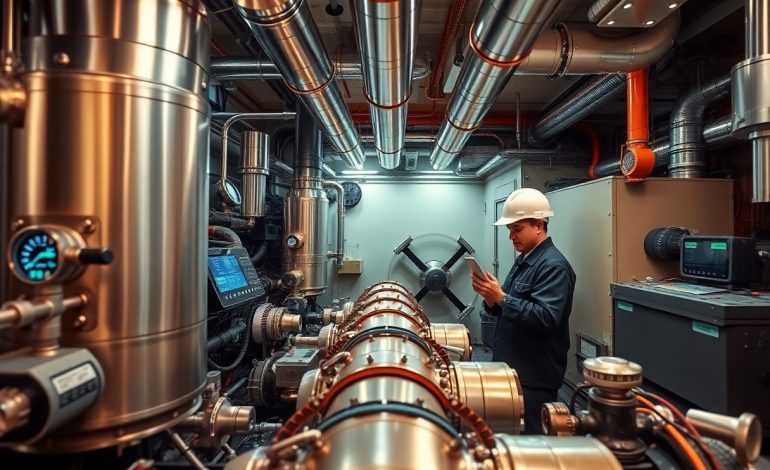
Just by combining properly maintained fuel economizers, optimized trim and routing, and precise engine tuning you can materially cut consumption on your vessel. Prioritize regular maintenance to prevent engine damage and safety hazards, implement slow steaming, hull cleaning and real-time monitoring, and expect fuel savings up to 20-30% when measures are applied systematically.
Types of Fuel Economizers
You’ll find three dominant approaches in service: traditional mechanical systems that reclaim exhaust or jacket heat, electronic control-based optimizers that tune engine combustion and auxiliaries, and hybrid packages that combine both for maximum gains. In practice, mechanical setups typically deliver larger one-off thermal recovery (often in the 3-8% fuel savings range for medium-speed main engines), while electronic solutions refine operation continuously to capture incremental savings of 1-4% depending on engine condition and duty cycle.
Operational trade-offs matter: mechanical economizers demand space, add weight, and require soot/scale management, whereas electronic systems require robust sensor networks and careful calibration to avoid warranty or reliability issues. You should plan for typical retrofit paybacks of 1-3 years depending on fuel price and utilization, and prioritize systems that give clear metering so you can validate performance against baseline consumption.
- Fuel Economizers
- Mechanical Economizers
- Electronic Economizers
- Waste Heat Recovery
- Fuel Consumption Reduction
| Mechanical (Exhaust / Boiler) | Recovers low-grade heat to feed boilers or ORC units; typical savings 3-8%; requires soot cleaning and acid dew-point management |
| Electronic (ECU / Optimization) | Adjusts fuel injection, turbocharger and timing; continuous gains 1-4%; needs sensors, data logging and OEM agreement |
| Hybrid Systems | Combines WHR with predictive control for 5-12% aggregated savings on favorable profiles |
| Installation Considerations | Space, weight, structural supports, and integration with existing boilers, plus downtime-expect 1-4 weeks for typical retrofits |
| Maintenance & Monitoring | Routine soot washing, sensor calibration, and fuel-consumption trending; KPI targets should be set in g/kWh and % savings |
Mechanical Economizers
You can leverage exhaust-gas economizers or jacket-water heat exchangers to preheat feedwater or drive small ORC (Organic Rankine Cycle) turbogenerators; a 30,000 DWT bulk carrier retrofit example showed a measured 5-6% fuel reduction for boiler makeup after installing an exhaust economizer and improving condensate recovery. Installation typically demands structural stiffening, bypass arrangements for low-load operations, and materials selected for resistance to acidic condensate and corrosion.
Operationally, you must schedule periodic soot blowing and chemical cleaning: fouling rates vary with fuel sulfur and engine load but can halve theoretical gains within months if unmanaged. You should size the economizer to avoid exceeding the flue-gas dew point and plan bypass piping so that at low engine load you don’t create excessive backpressure that harms fuel combustion or turbocharger life.
Electronic Economizers
Electronic economizers include ECU remaps, closed-loop combustion control, and predictive admittance systems that coordinate turbochargers, fuel injection, and auxiliary loads; in a fleet test of ten Ro-Ro vessels, one operator documented an average fleet-wide reduction of 2.2% after staged ECU tuning combined with route-optimized speed profiles. You will need high-integrity sensors (in-cylinder pressure where possible, mass air flow, fuel-flow meters) and a data historian to verify gains and avoid regressions.
Risks are real: aggressive maps can increase cylinder pressure peaks, accelerate liner wear, or produce excess soot and unburnt hydrocarbons-so engage OEMs and keep fail-safe limits. Positive outcomes include lower specific fuel oil consumption (SFOC) and reduced CO2 emissions; many operators combine electronic optimization with operator training to sustain the 1-4% improvements reported in trials.
After installation, you must implement continuous monitoring: log fuel flow, SFOC (g/kWh), exhaust temperature, turbo boost and particulate trends at 1-10 minute intervals, validate against baseline voyages, and set automated alarms so you can detect a drop below expected performance thresholds and act before savings erode.
Tips for Optimizing Fuel Efficiency
When you push optimization beyond equipment upgrades, incremental operational changes deliver the best ROI: trimming the vessel for design speed, controlling shaft RPM, and enforcing a strict biofouling control plan can each cut consumption. Applied examples include reducing hull resistance by routine cleaning-hull fouling can increase fuel burn by as much as 40% if left unchecked-so keeping fouling to low levels often reduces consumption by 5-15%. Likewise, adjusting service speed: a 10% reduction in speed commonly lowers fuel use by roughly 18-25% depending on hull form, while coordinated slow-steaming with just-in-time berthing avoids unnecessary high‑speed legs.
Operational discipline paired with analytics is where you see continuous gains. Use onboard performance monitoring to set baselines, run comparative reports after maintenance or trim changes, and institute fuel watch KPIs for each voyage. Implement the following practical steps immediately:
- Hull cleaning schedule: target every 3-6 months for trading vessels, more often in warm or biofouling-prone waters.
- Propeller polishing and shaft alignment: expect 2-8% fuel savings from addressing cavitation and surface roughness.
- Engine tuning: maintain injection timing and turbocharger clearances; fuel injector servicing every manufacturer interval keeps combustion efficiency high.
- Weather and route planning: integrate GRIB and real-time current data into passage plans to avoid headwinds and leverage favorable currents.
- Performance monitoring: log SFOC, EGTs, and sea margin; use trend alerts to catch deviations within 24-72 hours.
Regular Maintenance Practices
Proactive mechanical upkeep prevents efficiency losses that compound over time. You should follow manufacturer intervals for injector servicing, turbocharger inspections, and cylinder liner checks because worn components increase specific fuel oil consumption (SFOC) by measurable amounts-typical increases range from 1-4% for camshafts or injectors near end of life, but neglected turbocharger issues can cost you 5%+. Keep exhaust and economizer systems free of leaks and soot: an exhaust gas bypass or leaking heat exchanger reduces reclaimable energy and creates a safety risk due to higher EGTs and soot loading.
Hull and appendage care tie directly to engine load. You should schedule hull surveys and underwater inspections using performance data triggers-if speed-power curves shift by >5% at baseline RPMs, plan an underwater clean or docking. Propeller pitch optimization and de‑fouling provide consistent uplifts in miles per ton; for many operators regular polishing cuts fuel costs enough to offset dive or docking expense within a single year.
Efficient Route Planning
Optimized passages reduce time and fuel by exploiting currents, avoiding adverse weather, and smoothing speed profiles. You should use route-optimization tools that take waves, wind, and ocean current models into account: studies show tactical weather routing can save between 1-5% on average and exceed 10% in extreme conditions. Integrate those tools with your ECDIS and AIS to produce routes that minimize exposure to head seas and maximize transit in favorable currents such as the Gulf Stream or Agulhas eddies.
Start using a cost-index approach to balance speed versus fuel cost: when fuel is expensive, favor slower passages; when time charter penalties dominate, increase speed within safe margins. Just-in-time arrival planning complements routing-reducing loitering and anchorage time often delivers fuel savings equivalent to a full percent or more per voyage, while also cutting port emissions.
Run pre-voyage simulations with historical current datasets (NOAA, Copernicus) and live GRIB updates, validate predicted gains against AIS‑derived actuals during the voyage, and refine your cost-index values by comparing charter‑hire versus fuel price; small route shifts of a few nautical miles can yield measurable savings when multiplied across a voyage program. After you implement these steps, track results against baseline SFOC and voyage fuel burn to confirm savings.
Step-by-Step Guide to Implementing Fuel Saving Techniques
| Implementation Overview | |
|---|---|
| Phase | Actions & Metrics |
| Assess | Install/validate fuel flow meters, shaft power sensors and hourly bunker reconciliation; target 1-5% measurement uncertainty. |
| Prioritise | Rank interventions by OPEX impact and payback: speed reduction, trim, hull cleaning, propeller polishing, engine tuning, WHR retrofits. |
| Implement | Execute quick wins (speed, trim, cleaning) then schedule CAPEX items; track SFOC, specific fuel per nautical mile (SFPM) and CO2 per day. |
| Monitor | Set KPIs, use performance software, run monthly fuel reconciliations and variance analysis; adjust procedures based on data. |
Assessing Current Fuel Usage
Begin by installing or validating calibrated fuel flow meters on main engines and key consumers, logging at 1‑minute to 30‑minute intervals so you can correlate fuel burn with speed, RPM and sea conditions. You should reconcile daily bunker receipts against measured burn to detect hidden losses; discrepancies above 2-3% indicate metering or recording faults that will mask any efficiency gains.
Next, analyse the data against benchmarks: compare your vessel’s SFOC and fuel per nautical mile to fleet averages or class/type norms (for many merchant ships, a properly tuned main will show SFOC within 1-3 g/kWh of manufacturer data). Factor in hull condition-biofouling or roughness can add +10-30% fuel consumption-and quantify typical voyage segments (e.g., port manoeuvring, cruising, ECA slow steaming) so you can target the highest‑consuming windows first.
Implementing Changes
Start with low‑cost, high‑impact measures: reduce service speed where schedule allows (dropping 1 knot commonly saves 8-12% fuel on typical deep‑sea routes), optimise trim and ballast for the target draft using calculated resistance curves, and schedule hull cleaning/propeller polishing based on fouling risk-every 3-6 months in high fouling areas is typical. Also adjust engine timing, maintenance intervals and fuel temperature to keep SFOC within design tolerances; excessive soot, fuel contamination or cylinder wear can add +5-15% to burn if left unchecked.
Then roll out instrumented changes and verification: fit shaft power monitoring, link GPS/log data to a performance management system, and run A/B trials for single variables (speed, trim, RPM) over several voyages to isolate effect sizes. Train bridge and engine teams on new procedures and set clear KPIs-daily SFPM targets, monthly SFOC averages and fuel reconciliation variance limits-so you can lock in behavioural changes and measure CAPEX outcomes like waste heat recovery (WHR) or shaft generator installations.
When planning projects, prioritise quick wins with sub‑12 month paybacks (speed/time management, routine cleaning, trim optimisation) and treat WHR or hybrid retrofits as medium‑term investments that typically deliver 3-6% and 5-10% vessel‑wide fuel reductions respectively depending on vessel profile; document expected fuel savings, CAPEX and calculated payback up front so you can phase implementation with minimal operational disruption.
Factors Affecting Marine Fuel Costs
Operational and technical variables combine to determine your fuel costs on any voyage. Small differences in hull condition, speed and trim, engine settings, or fuel quality can multiply over long routes: for example, hull fouling of a few millimetres can raise resistance and increase consumption by around 10-25%, while the propulsion power requirement scales roughly with the cube of speed, so a 10% speed reduction cuts required power by about 27%. You should treat these as interacting levers rather than isolated tweaks – improving one area (say, engine tuning) will give less benefit if hull condition or routing remain poor.
- Engine performance (BSFC, turbocharger health, injection timing)
- Weather conditions (wind, waves, currents)
- Speed & trim (propulsive power vs. speed³ relationship)
- Hull fouling and coatings
- Fuel quality and blending (viscosity, sulfur, water)
- Voyage planning and weather routing
- Load factor and ballast vs. cargo condition
Quantifying each factor lets you prioritize high-ROI measures: routine hull cleaning and proactive trim control often pay back faster than major engine overhauls, while precise fuel switching and blending can reduce per-ton fuel expense in emission-control areas. Recognizing which variables are driving your consumption is the first step to prioritizing targeted investments in fuel economizers, route optimization, and precision engine management.
Engine Performance
You need to monitor engine-specific metrics such as BSFC (brake specific fuel consumption), exhaust gas temperatures, and charge-air pressure to spot drift from design efficiency. Typical ranges you can expect: large slow-speed two-stroke main engines around 160-180 g/kWh, medium-speed auxiliaries closer to 180-220 g/kWh, with older or poorly maintained units higher. In practice, retarding or advancing injection timing by a few degrees, restoring turbocharger clearances, or replacing worn fuel pumps has delivered real operators 3-6% reductions in consumption on individual ships during targeted tuning campaigns.
Operate the engine near its most efficient load band – most marine diesels are most efficient at roughly 70-85% MCR; long periods at very low loads increase specific consumption and accelerate deposits. Use condition-based maintenance and inline cylinder performance monitoring so you can detect rising fuel consumption per kWh early, and apply corrective actions (balancing injectors, decarbonising, or uprating turbocharger maintenance) before losses exceed several percent.
Weather Conditions
Wind direction, wave height and period, and currents directly change resistance and thus fuel burn: headwinds and short steep seas typically increase propulsion power requirements by 10-30%, and in severe combinations fuel use can spike even higher. You will often see measurable consumption variation day-to-day on the same route; for instance, a feeder vessel reported a 20% increase in daily fuel use when encountering sustained beam seas versus calm conditions.
Use proactive weather routing and speed adjustments to mitigate those effects – routing that trades a few nautical miles for fewer headwinds or more favourable current can reduce overall fuel by 3-8% on long transits. When you plan, integrate vessel-specific seakeeping data so the routing engine can predict added resistance from wave-induced motions and recommend the best speed-heading trade-off.
For immediate operational control, combine real-time wind/current forecasts with your engine and trim settings: adjusting trim to lower bow hobby-horsing in head seas, or trimming stern to prevent hobby-horsing in following seas, can shave several percent off consumption on affected legs.
Pros and Cons of Fuel Economizers
When you weigh the benefits and drawbacks, focus on measurable outcomes: most installations deliver typical fuel savings of 2-6% by recovering exhaust heat to preheat feedwater or reduce boiler firing. For reference, studies and retrofit assessments commonly report payback periods from 6 to 24 months depending on vessel size, operating profile and fuel price, with larger, long-haul ships seeing the fastest returns.
At the same time, you must account for increased system complexity, maintenance and potential operational penalties. For example, exhaust temperatures often fall from ~350-450°C down toward 200-250°C through the economizer, which increases the risk of acid condensation (acid dew points commonly 120-160°C for high-sulfur fuels) and requires attention to materials, insulation and bypass strategies.
Pros vs Cons of Fuel Economizers
| Pros | Cons |
|---|---|
| Direct fuel savings of typically 2-6% on thermal plant fuel usage | Capital expenditure and retrofit cost that can be significant for smaller vessels |
| Reduced boiler firing and lower auxiliary fuel consumption | Space and weight penalties-requires engine-room integration and ducting |
| Lower CO2, SOx and NOx emissions proportional to fuel saved | Risk of acid condensation and corrosion if exhaust is cooled below dew point |
| Improved overall plant efficiency and potential to supply hot water/steam | Requires routine cleaning (soot removal) and more intensive maintenance |
| Fast payback on vessels with high sea-time and steady loads | Added backpressure can affect main-engine performance and turbocharger maps |
| Can be combined with waste heat recovery for ORC or steam systems for extra gains | Effectiveness drops at low load/slow steaming-may need bypass or isolation |
| Widely applicable for both newbuilds and many retrofit projects | Complexity in controls and integration with existing steam/hot-water systems |
| Can improve fuel flexibility by reducing reliance on auxiliary boilers | Potential fire hazard from soot accumulation if cleaning intervals are inadequate |
Advantages of Using Economizers
You gain tangible fuel and emissions reductions when you use economizers correctly; recovering low-grade exhaust heat to preheat feedwater or produce service steam typically reduces auxiliary boiler burn and can cut total ship fuel expenditure by a few percent. For example, a medium-sized tanker operating long sea transits with steady load can see payback within 12-18 months because the economizer consistently supplies >50% of required boil-off/steam heating demand.
Beyond direct savings, you also improve system resilience: the recovered heat reduces cycling on auxiliary boilers, extending their maintenance intervals and lowering soot production from repeated light firing. If you integrate economizers with downstream systems-like heat for HVAC, tank heating or an ORC-you can stack benefits, sometimes adding another 1-2% equivalent fuel benefit depending on the recovery route and operating profile.
Disadvantages and Limitations
You must manage fouling, corrosion and added backpressure as part of routine operations; economizers trap particulates and condensate, so soot blowing, chemical cleaning and robust materials selection are necessary to avoid efficiency degradation. In practice, vessels burning heavy fuel oil that lower exhaust below the acid dew point (often 120-160°C) face accelerated tube corrosion unless you use corrosion-resistant alloys or maintain higher exit temperatures.
Operational limits are significant: at low engine loads or during slow steaming the exhaust temperature and mass flow can fall enough that the economizer becomes inefficient or a net heat sink, forcing you to bypass it. Additionally, the added pressure drop across the unit can change turbocharger behavior and marginally increase engine fuel consumption unless the system is designed to minimize backpressure.
To protect your investment, plan for scheduled maintenance and design features such as bypass dampers, condensate drains and accessible cleaning ports; often the lifecycle performance depends more on operational discipline and maintenance intervals than on the theoretical efficiency number quoted at installation.
Additional Techniques to Cut Marine Fuel Costs
Alternative Fuel Options
When you evaluate alternative fuels, weigh emissions benefits against retrofit and bunkering costs: LNG can reduce CO2 emissions by up to ~20-25% versus heavy fuel oil in dual‑fuel engines, methanol and biofuels offer drop‑in or near‑drop‑in pathways with lower particulate and SOx output, and ammonia/hydrogen deliver zero CO2 at combustion but demand purpose‑built engines and handling systems. Expect retrofits to run in the multi‑million‑dollar range (often several million USD and in some cases >$10M depending on vessel class), so you should model payback with realistic fuel price spreads and availability scenarios before committing.
Operational constraints are equally important: many alternatives have lower volumetric energy density or require cryogenic/pressurized tanks, which can mean reduced cargo space or longer docking for bunkering. You should map routes against bunkering infrastructure-short‑sea ferry operators have been early adopters of methanol where ports support it, while LNG adoption concentrates in trades with established terminals. Also note safety: ammonia is highly toxic and LNG requires cryogenic handling procedures, so crew competencies and port approvals factor directly into cost and timeline.
Crew Training and Efficiency
You can drive immediate fuel savings through focused crew training: targeted programs on optimized RPM profiles, synchronized bridge‑engineer decision‑making, proactive hull and propeller maintenance scheduling, and weather‑aware voyage planning commonly deliver 3-7% reductions in fuel burn across a fleet. Practical examples include simulator sessions for bridge teams to practice slow‑steaming under variable weather and engine‑room workshops that train engineers to keep engines within recommended load windows to avoid inefficiencies.
To implement effectively, establish baseline KPIs (fuel per nautical mile, daily consumption variance), run short focused coaching stints onboard, and combine simulator training with real‑time performance dashboards and monthly fuel audits; pairing targets with modest incentives for achieving EEOI or consumption goals often improves adherence. Be wary of over‑slow steaming: operating engines continuously below manufacturer‑recommended loads can cause wet stacking and increased maintenance, so training must include safe operational limits and condition‑based monitoring to protect long‑term availability.
Summing up
Ultimately, adopting fuel economizers alongside targeted operational and technical measures lets you drive down fuel consumption, cut operating costs, and reduce emissions without sacrificing reliability. By combining waste-heat recovery, optimized combustion, hull and propeller maintenance, voyage planning and speed management, you create multiple, mutually reinforcing savings streams that improve return on investment and enhance long-term vessel performance.
You should evaluate measures against your vessel profile and trading pattern, prioritize actions with the best lifecycle payback, and support them with continuous monitoring, crew training and scheduled maintenance. A coordinated approach-backed by trials, clear KPIs and expert input-helps you balance capital expense, regulatory compliance and operational flexibility so your fuel strategy remains resilient as markets and rules evolve.